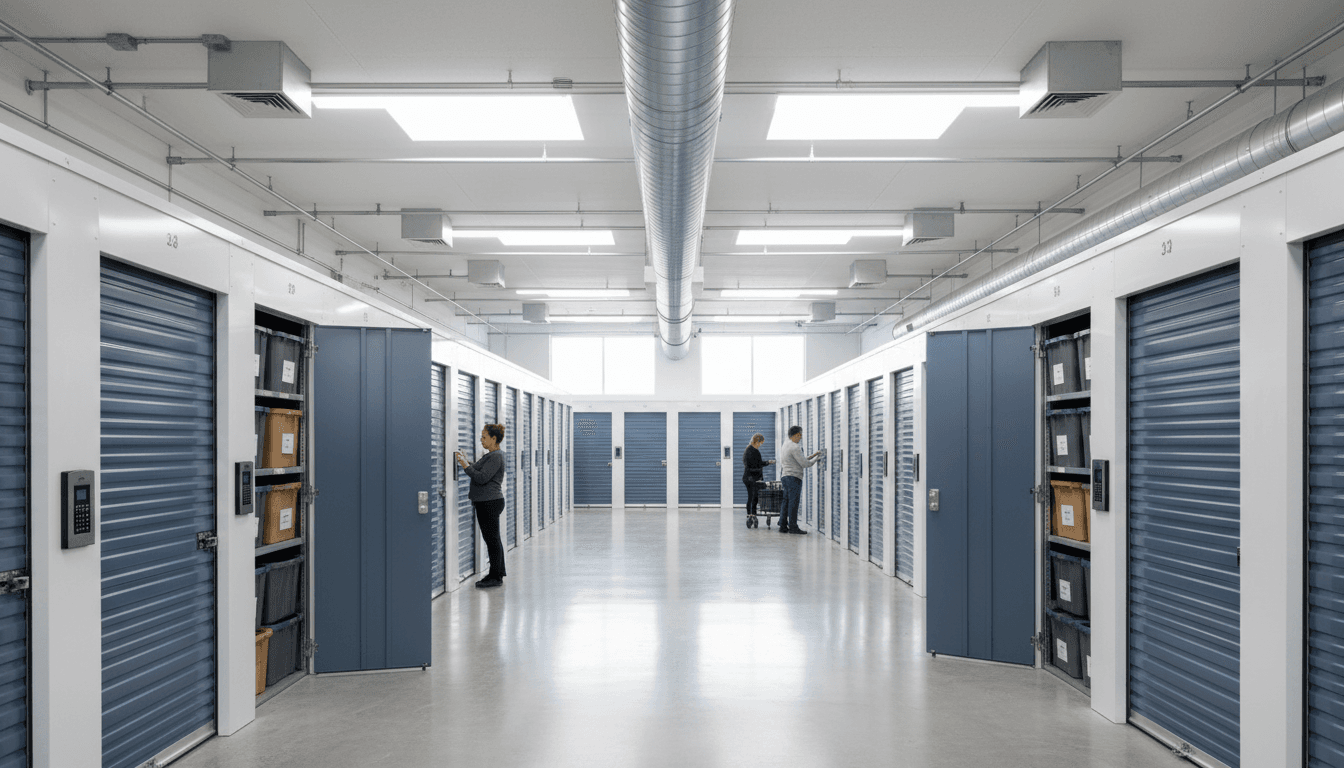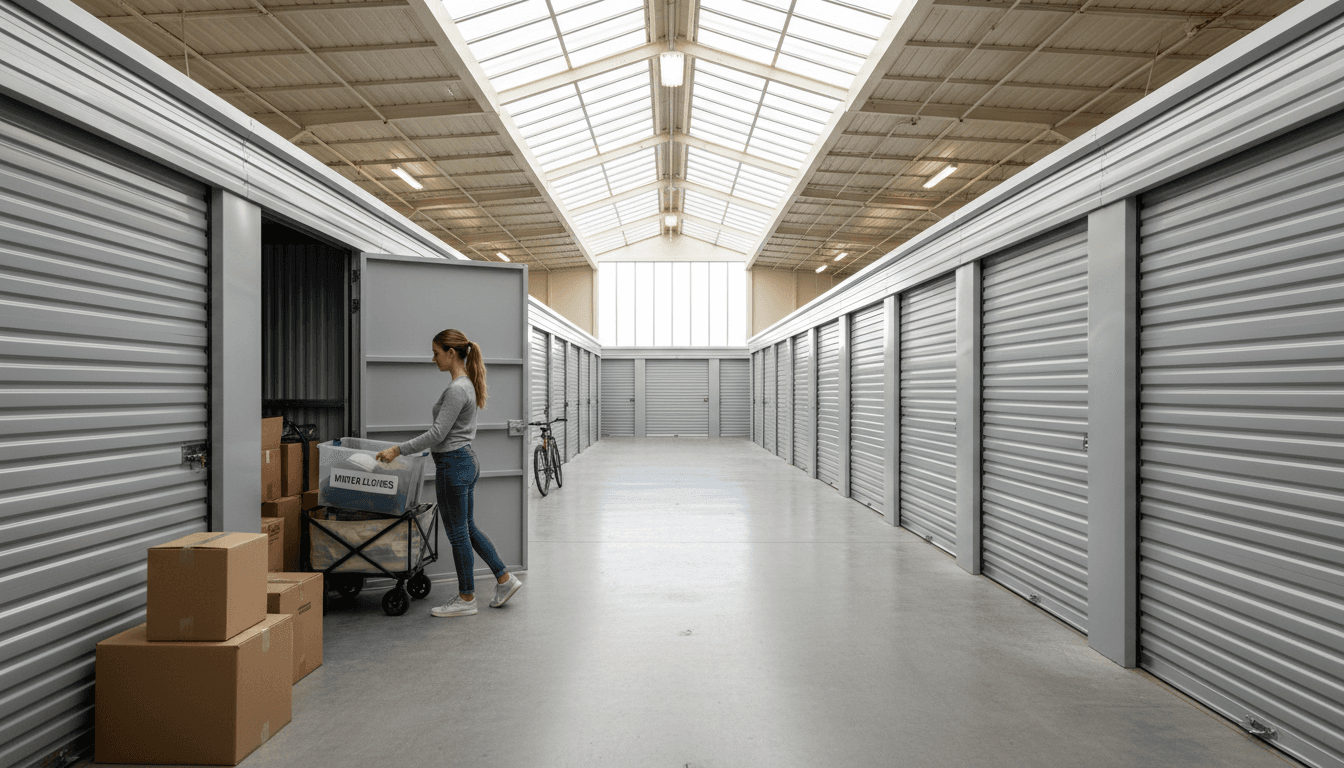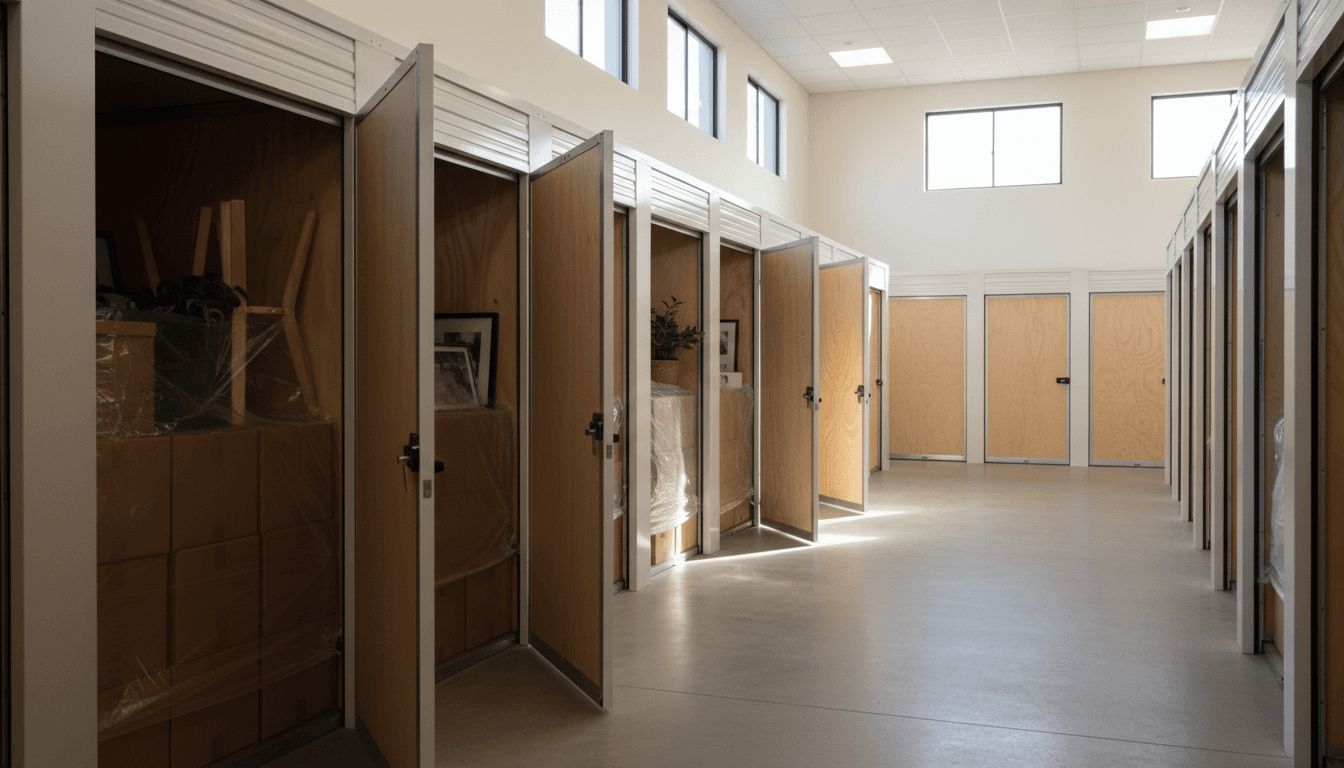
Ideal items for what to store in a storage unit include furniture, seasonal decor, household appliances, and boxes of books or documents. These facilities are perfect for reclaiming space at home by housing non-perishable belongings; however, you must avoid storing food, hazardous chemicals, or flammable materials.
Clutter can quickly transform a functional home or office into a source of constant stress, yet the decision of what to pack away often leads to more questions than answers. Proper self storage is not merely about finding extra square footage; it is a strategic way to preserve your valuables while maintaining a streamlined lifestyle. Understanding the nuances of what should and should not be stored is critical for the safety of your items and the integrity of the facility. In this guide, we will identify the residential and commercial essentials that are perfect for our units, along with five specific items that should never be stored due to safety and legal risks. You will also learn professional packing techniques to guard against pests and mold; this knowledge ensures that your belongings remain in peak condition until you need them again.
Understanding Storage Rules for Safety and Success
Self-storage serves as an essential tool for local growth, providing dependable storage for residential and commercial customers throughout Fillmore. These units offer a practical way to manage inventory, clear out a garage, or stage a home for sale. However, the flexibility of a rental unit comes with professional responsibilities. Certain items are restricted due to legal requirements, fire safety codes, and health regulations. These rules exist to protect your belongings, the facility, and other tenants from avoidable risks like fire, pests, or structural damage.
Navigating these guidelines ensures your experience remains stress-free and efficient. Choosing secure and organized facilities is only part of the process; success also depends on knowing exactly what to store in a storage unit to maintain a safe environment. This guide explores the boundaries of professional storage, helping you maximize your square footage at Millard Storage while staying strictly within safety and health protocols. Following these best practices preserves the integrity of your valuables and keeps our community facility operating smoothly.
5 Things to Never Store in a Self-Storage Unit

Maintaining a professional and safe environment requires strict adherence to prohibited item lists. While our facilities are designed for high-end security and organization, certain categories of items introduce risks that cannot be mitigated within a shared storage environment.
Perishable food should never enter your unit. This category includes more than just fresh produce; it encompasses dried goods, birdseed, pet food, and even spices. Many people assume canned goods are safe, but in non-climate controlled environments, extreme temperature shifts can cause cans to swell or seals to fail. Once a container is compromised, the food spoils and emits odors that attract rodents and insects. An infestation in one unit can quickly spread, compromising the secure and organized facilities our customers rely on. If you are cleaning out a pantry, it is best to donate these items rather than store them.
Hazardous materials represent a significant safety risk, particularly for Utah residents who enjoy outdoor recreation or manage agricultural properties. Gasoline, propane tanks, kerosene, and lamp oil are strictly prohibited due to their volatility. Similarly, fertilizers, industrial chemicals, and fireworks can lead to fire or explosions if stored in enclosed spaces. These materials often emit toxic fumes that can permeate surrounding units and damage porous materials like wood or fabric. For those managing farm equipment or camping gear, ensure all fuel tanks are completely drained before bringing items to the facility. If you are uncertain about a specific substance, please contact Millard Storage for professional guidance.
Living things, including plants and animals, have no place in a storage unit. Plants require consistent light, water, and airflow; without these, they rot and create a breeding ground for pests. Furthermore, self-storage units are never to be used for human habitation. It is illegal and extremely dangerous to attempt to sleep or live in a storage space. These units lack the ventilation, sanitation, and emergency exits required for safety. This policy is strictly enforced to protect the well-being of all tenants and the integrity of the property.
Storing wet or damp items is the primary cause of mold and mildew within a unit. When a tent is packed away after a rainy weekend or a lawnmower is stored with wet grass clippings in the bag, moisture is trapped in the air. In an enclosed environment, this moisture settles on cardboard boxes and furniture, leading to rapid mold growth that can ruin an entire inventory. To keep your unit clean, ensure every item is bone-dry and wiped down before move-in. For items sensitive to humidity, using plastic totes instead of cardboard can provide an extra layer of protection.
Finally, while we provide dependable storage for residential and commercial customers, cash and irreplaceable heirlooms should be kept in a bank or a high-security home safe. While units are highly secure, items with extreme liquidity or one-of-a-kind sentimental value are best kept where they can be personally monitored. Determining what to store in a storage unit is about finding the balance between freeing up space and ensuring that your most critical assets are kept in the appropriate environment.
The Risks of Improper Storage: Pests, Mold, and Legality
Violating storage protocols creates a ripple effect that compromises more than just a single unit. When organic materials or moisture are introduced, they invite pests and mold that can jeopardize an entire row of lockers. Cardboard boxes are particularly susceptible; they absorb moisture from the air, providing the perfect substrate for mold to thrive. In Fillmore, our local climate experiences sharp temperature swings that can exacerbate these issues. Rapid shifts from cold nights to warm days cause condensation on surfaces and can lead to the degradation of sensitive materials. For example, vintage plastics may become brittle or warp, and batteries left inside electronics are prone to leaking corrosive chemicals when subjected to thermal stress.
Adhering to safety standards ensures we can continue providing dependable storage for residential and commercial customers. Maintaining secure and organized facilities is a collaborative effort; your careful selection of items prevents the introduction of biological hazards that could damage your neighbors' property. By understanding the 'why' behind these restrictions, you can make better decisions about what to store in a storage unit to preserve its longevity. If you ever have questions about the suitability of an item, please contact Millard Storage for expert advice before moving it into your space.
What is Perfect for Storage: Residential Favorites
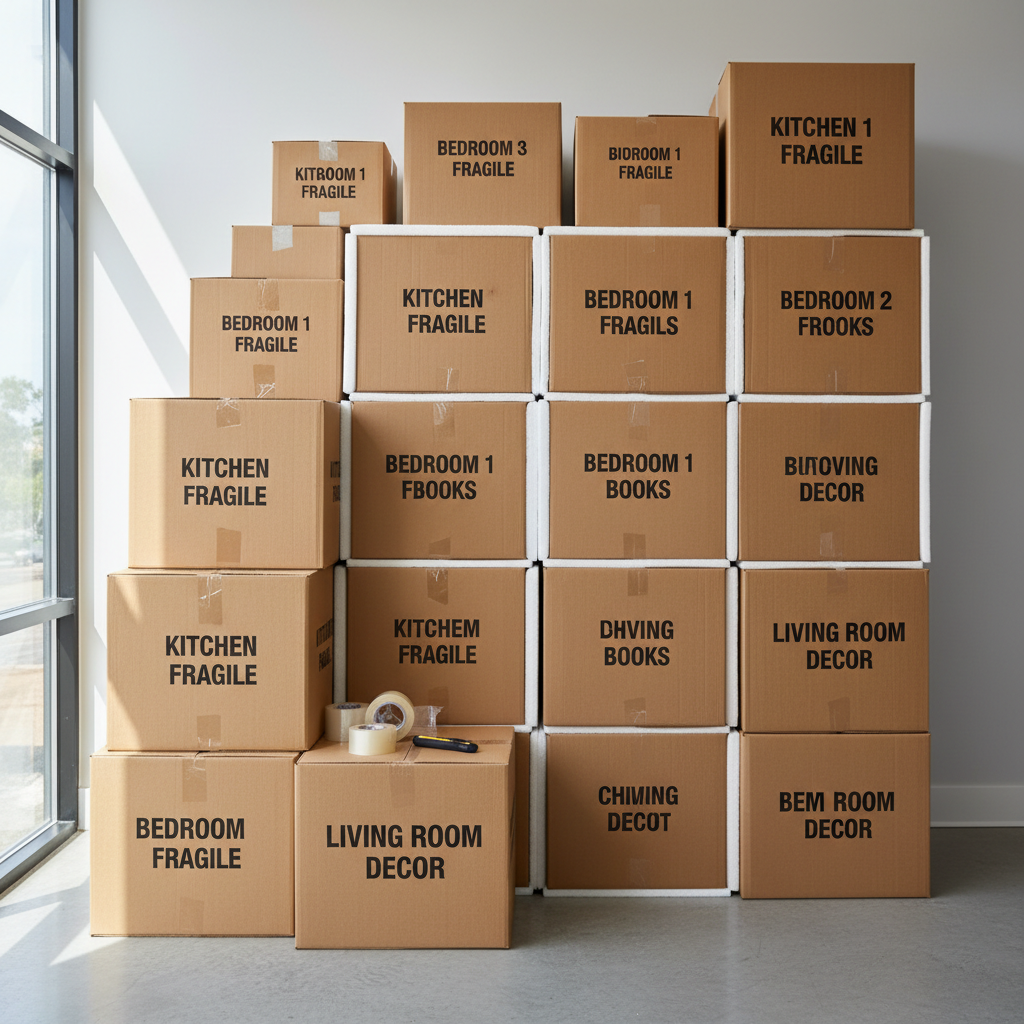
Once you understand the risks of improper packing, the focus shifts to maximizing the utility of your space. Identifying what to store in a storage unit is the first step toward reclaiming your garage or spare bedroom. Household furniture like dining sets, bed frames, and sofas are excellent candidates for storage. To keep these items in peak condition, use fabric covers or plastic wrap to prevent dust accumulation while they sit in our secure and organized facilities.
Seasonal transitions in Fillmore require a rotating inventory of gear. Bulky winter coats, sweaters, and heavy bedding are best preserved in airtight plastic bins rather than cardboard boxes. These bins provide a rigid barrier against dust and environmental changes, ensuring fabrics remain fresh. Similarly, holiday decorations, artificial trees, and fragile ornaments can be safely tucked away for most of the year, freeing up valuable closet space for daily essentials.
Recreation is central to the Millard County lifestyle, but the necessary equipment often clutters living areas. Hunting gear, camping tents, and outdoor cookers are perfect for off-season storage. In the summer, snow gear and heaters take up too much room; in the winter, the same can be said for fishing tackle and water sports equipment. Using a dedicated unit for these hobbies ensures your expensive gear is protected and ready for the next season. We specialize in providing dependable storage for residential and commercial customers who need to manage these large, space-consuming items. If you are unsure if your specific hobby equipment is a good fit, please contact Millard Storage to discuss the best storage solutions for your needs.
Essential Business and Commercial Items for Storage
Fillmore businesses frequently face the challenge of outgrowing their physical storefront or office before they are ready for a major move. Self-storage offers an affordable bridge, allowing small businesses to scale operations without the high cost of a new commercial lease. When deciding what to store in a storage unit for business purposes, inventory is often the top priority. Local retailers and e-commerce entrepreneurs can keep surplus stock in our secure and organized facilities, ensuring that inventory is protected while keeping the primary workspace clear for daily operations.
Professional equipment and tools also benefit from a dedicated space. Contractors and service providers in Millard County can store specialized machinery, ladders, or backup power tools that are not needed on a daily basis. Furthermore, document archiving is a smart use of off-site space. Moving old tax records, legal files, and client archives into storage frees up expensive square footage in the office for more productive uses. We focus on providing dependable storage for residential and commercial customers that addresses these specific logistical hurdles. By utilizing these units for extra desks, filing cabinets, or seasonal marketing materials, your business can remain agile and efficient. If you need help determining how much space your inventory requires, please contact Millard Storage for expert assistance.
How to Pack Your Unit to Keep Bugs Away and Prevent Mold
Successful storage requires more than just choosing the right space; it involves strategic packing to mitigate environmental risks. While cardboard boxes are inexpensive, they are porous and provide a food source for silverfish or moths. For long term preservation, swap cardboard for heavy duty plastic totes with locking lids. These containers create an airtight seal that blocks out dust and opportunistic pests, keeping your belongings in the same condition they arrived in. When deciding what to store in a storage unit, consider how much protection each category of item needs based on its material.
Air circulation is your best defense against stagnant air and condensation. Instead of stacking items directly on the concrete floor, place furniture and boxes on wooden pallets. This elevation allows air to move beneath your items, preventing moisture from becoming trapped between the floor and your belongings. Leave a small gap between the walls of the unit and your stacks to ensure a continuous flow of air throughout the space. This simple step prevents the localized humidity that often leads to mildew.
Prevention starts before you even arrive at our secure and organized facilities. Every item must be completely dry before being packed; even a slightly damp rug or a lawnmower with a bit of condensation can trigger mold growth in a sealed unit. For sensitive items like leather or wood, include moisture absorbers or desiccant packs inside the storage containers. Maintaining a clean and pest free unit is a partnership. We provide a professionally managed environment, and your careful packing ensures your valuables remain protected. If you have questions about specific packing materials, contact Millard Storage for expert recommendations.
Understanding which items belong in a unit and which should stay home is the essential first step toward a successful storage experience. By prioritizing safety and organization, you can keep your valuables protected for the long term. If you want expert help navigating the specifics of your move, learning more about our team can provide the clarity you need. We are here to ensure your storage transition is smooth, professional, and perfectly tailored to your unique requirements.