Climate controlled storage vs non climate controlled units differ primarily in their ability to regulate internal temperature and humidity; climate-controlled units maintain a stable environment that protects sensitive belongings from extreme heat and moisture. While non-climate controlled units are cost-effective for durable items or short-term needs, climate control is essential for protecting valuables like electronics, wood furniture, and documents for periods exceeding three months.
Moving and storage often come with a lingering anxiety about whether your prized possessions will survive the seasonal shifts of Millard County. In Fillmore, Utah, the extreme temperature fluctuations are not just a weather report; they are a direct threat to sensitive materials like solid wood, antique electronics, and delicate fabrics. Choosing the wrong unit type can result in irreparable warping, cracking, or moisture damage. This guide examines the critical distinctions between climate controlled and non climate controlled storage to help you protect your investment. We will explore how our local weather impacts stored items, which belongings require specialized environments, and how to identify when a standard unit is the more practical choice. By the end of this article, you will have a clear decision checklist to ensure your items remain in pristine condition.
Understanding the Difference: Climate Controlled Storage vs Non Climate Controlled
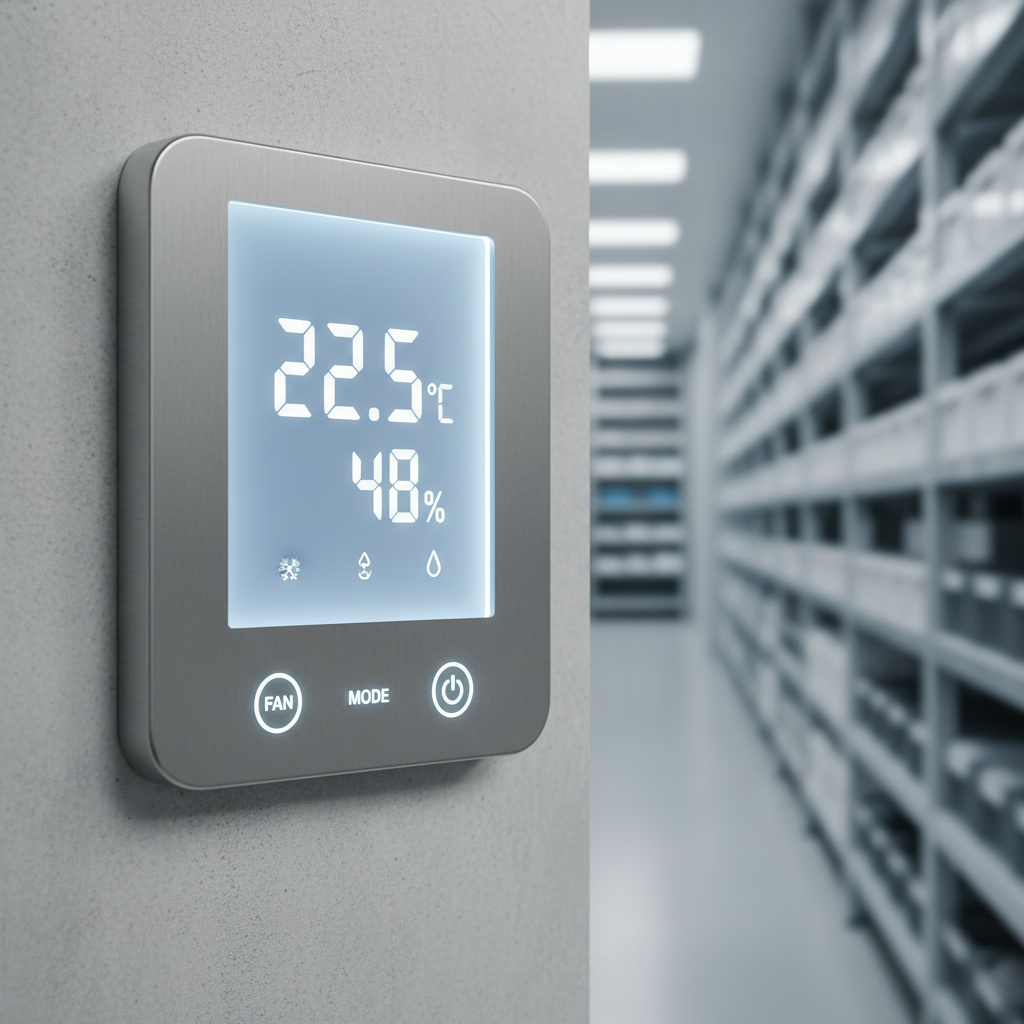
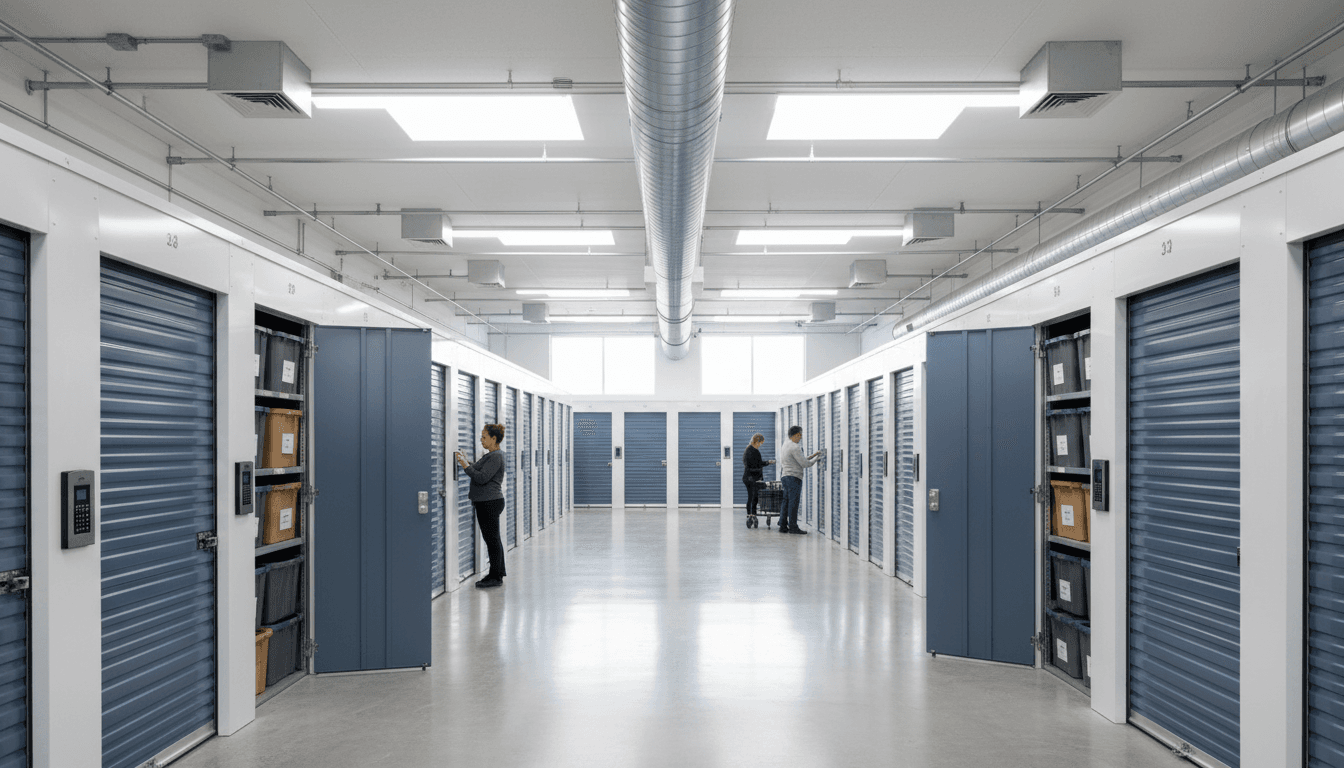
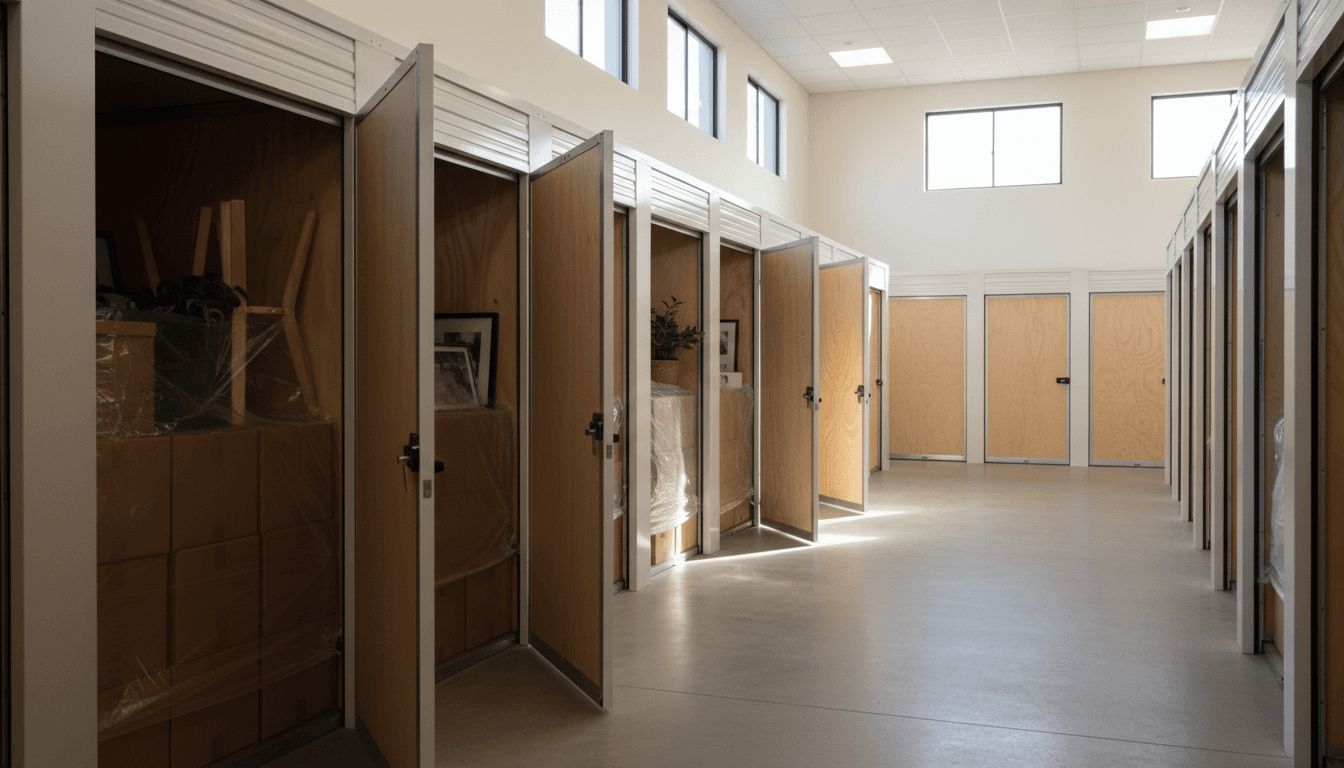
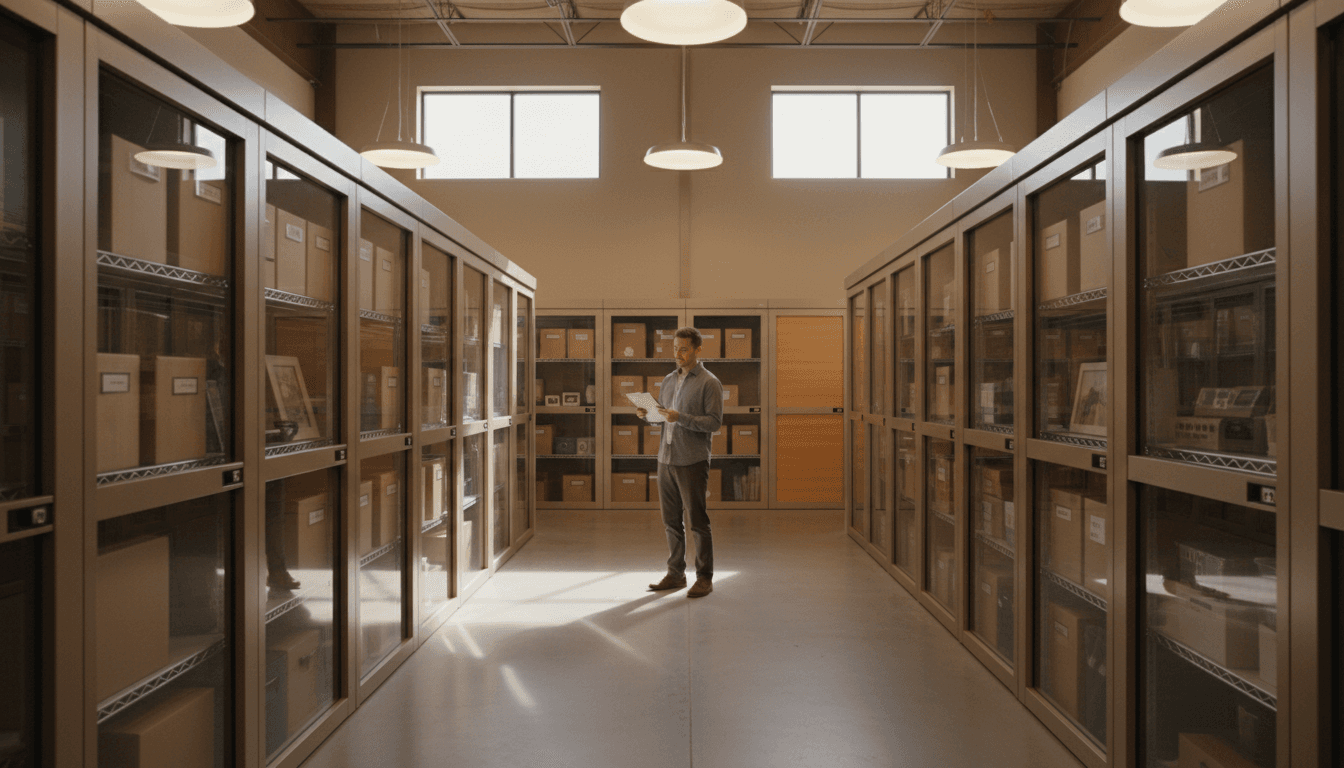
Choosing between climate controlled storage vs non climate controlled units is the first step in protecting your property. To make an informed decision, it is essential to understand how these environments differ technically and structurally. Climate controlled storage refers to units housed within a finished, insulated building where temperature and humidity are actively managed. These facilities typically maintain a consistent environment between 55 and 85 degrees Fahrenheit. By regulating these levels, the unit prevents the physical stress that thermal expansion and contraction can place on delicate materials.
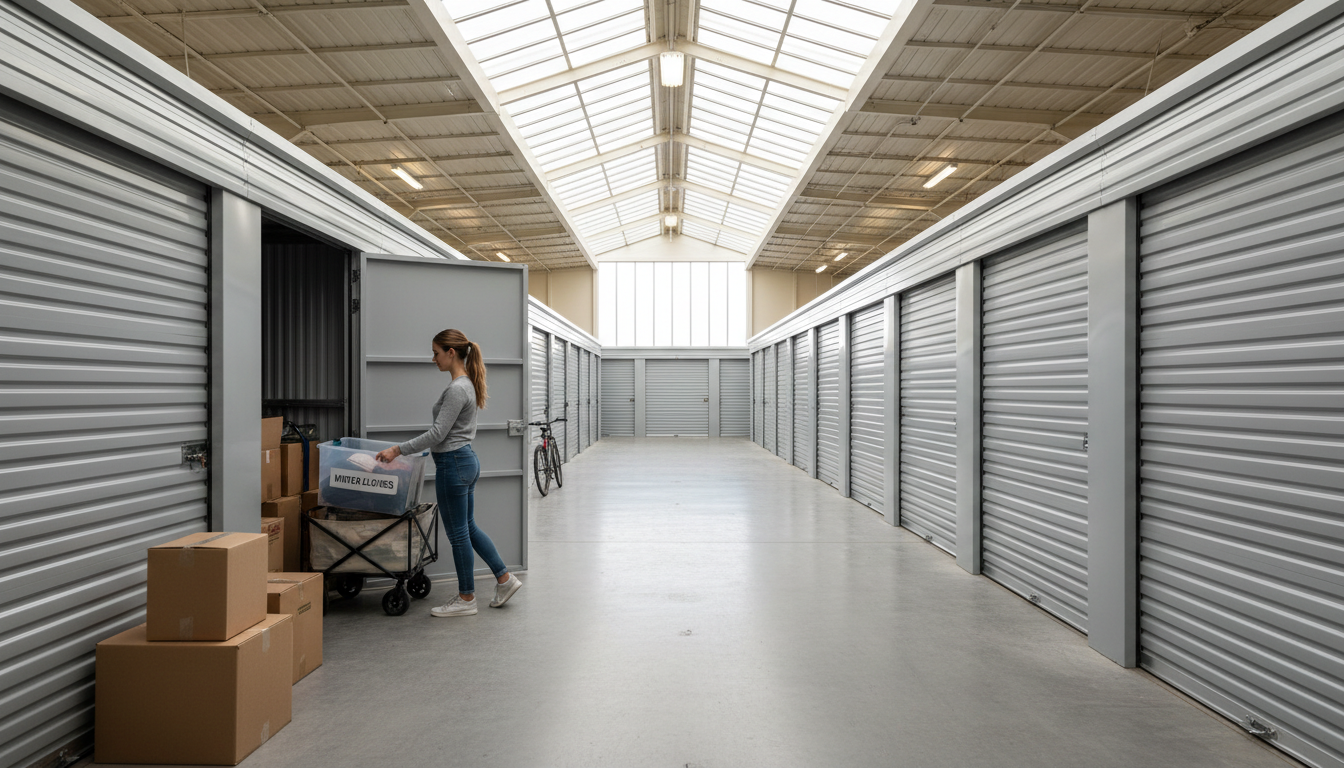
Standard or non climate controlled units are the traditional storage option most people recognize. These units are often located outdoors with drive-up access, separated from the elements by metal doors and concrete floors. While they provide excellent security and convenience, they do not offer a barrier against outdoor temperature fluctuations. In a standard unit, internal temperatures can reach 30 degrees higher than the outside air, a phenomenon often called the 30 degree rule. This means on a hot afternoon, the interior of a standard metal unit can become significantly hotter than the ambient temperature, potentially reaching triple digits.
Feature | Climate Controlled | Non Climate Controlled |
|---|---|---|
Temperature Range | 55°F to 85°F | Varies with outdoor air |
Humidity Control | Yes | No |
Unit Access | Indoor Hallway | Outdoor Drive-up |
Insulation | Finished & Insulated | Standard Metal/Concrete |
At Millard Storage, our goal is to provide secure storage services that match the specific needs of your inventory or household goods. If you are unsure which environment your items require, contact us today for expert guidance. Understanding this basic distinction ensures you aren't paying for features you don't need, while also ensuring you aren't risking damage to items that require a stable environment.
Why the Fillmore, Utah Climate Matters for Your Belongings
Fillmore sits in a high-desert environment, which presents a unique set of challenges for stored goods that national storage advice often overlooks. While many guides focus on preventing mold in humid coastal areas, our local climate is defined by extreme temperature swings and significant aridity. These conditions make the choice between climate controlled storage vs non climate controlled particularly impactful for residents of Millard County.
During our freezing winters, temperatures frequently drop well below 32 degrees. For items like plastic storage bins, toys, or appliance components, this extreme cold causes the material to become brittle. A simple impact or the pressure of stacked items can lead to permanent cracking when the material loses its flexibility. Conversely, our summer heat creates an oven effect within metal storage units. As established by the 30 degree rule, if the outside air hits 95 degrees, the interior of a standard unit can reach 125 degrees. This level of heat is high enough to melt adhesives in book bindings, soften glues in composite furniture, and cause wood to warp as it expands rapidly.
The lack of humidity in Utah is another factor that requires careful consideration. While dryness prevents mold, excessive aridity is equally damaging to organic materials. Solid wood furniture, musical instruments, and antique frames can suffer from dry rot or significant cracking as the wood fibers shrink and become brittle. Without the stable environment provided by secure storage services, these items lose the natural moisture required to maintain their structural integrity.
Relying on generic advice can be a mistake when your belongings are facing Fillmore's specific 100-degree summers and sub-zero winter nights. To discuss how these local conditions might affect your specific inventory, contact us today for a personalized recommendation. Protecting your assets requires understanding the local environment rather than following a one-size-fits-all approach.
When is Climate Controlled Storage Worth It for Local Residents?
Determining if the premium for a regulated environment is justified requires looking at two primary factors: what you are storing and how long it will stay there. In Fillmore, the three month mark is the typical threshold. If your items will remain in storage for more than 90 days, they will inevitably face a significant seasonal transition. Moving from a sub-zero winter night to a blistering summer afternoon creates physical stress on materials that can lead to permanent damage. For long-term storage, the choice between climate controlled storage vs non climate controlled is less about convenience and more about preservation.
Specific items almost always require a stable environment to maintain their integrity. These include:
Organic Materials: Leather furniture can crack or peel in our dry air; solid wood heirlooms can warp or split at the joints.
High-Value Paperwork: Important business documents, tax records, and vintage family photos become brittle or yellow when exposed to extreme temperature swings.
Musical Instruments: Guitars, pianos, and woodwinds are highly sensitive to the expansion and contraction caused by Fillmore’s temperature spikes.
When you consider the replacement cost of a high-end mattress or a professional-grade inventory, the extra monthly cost for climate control acts as a practical insurance policy. It is significantly more affordable to pay for a stable environment than to replace property destroyed by environmental stress. For those managing delicate inventory or irreplaceable personal history, our secure storage services provide the necessary safeguards. If you are evaluating a specific list of items, contact us today to see which unit size and type fits your budget and protection needs.
What You Should Never Put in a Non Climate Controlled Unit in Millard County
Selecting between climate controlled storage vs non climate controlled requires a hard look at your inventory list, as some items simply cannot survive the thermal extremes of a standard metal unit. Electronics, specifically televisions and computers, are among the most vulnerable. These devices contain intricate circuit boards and solder joints that are sensitive to the rapid expansion and contraction caused by Fillmore's 40 degree daily temperature swings. When these internal components are repeatedly stressed, they can develop micro-fractures, leading to permanent hardware failure before you even plug the device back in.
Certain categories of property should never be placed in a standard unit if you intend to preserve their value or utility:
Vinyl Records: Even a single summer afternoon can cause warping that makes a record unplayable.
Old Photographs: High heat can cause the emulsion on physical prints to soften, leading them to stick together and peel when separated.
Medications: Most prescriptions require storage at room temperature; extreme heat can cause chemical breakdown, rendering them ineffective or dangerous.
Delicate Fabrics: Silk, lace, and vintage furs lose their natural oils and become brittle when subjected to high desert heat.
While Millard County is known for its dry air, mold remains a hidden risk in standard units. If items like area rugs, upholstered chairs, or clothing are packed while even slightly damp, the lack of airflow in a sealed metal unit creates a micro-climate where fungi can thrive. For these sensitive items, our secure storage services provide the necessary environmental barrier to ensure your belongings return to you in the same condition they arrived. If you are unsure about a specific material, contact us today for a professional assessment of your storage needs.
The Case for Non Climate Controlled Units: Saving Money on Durable Items
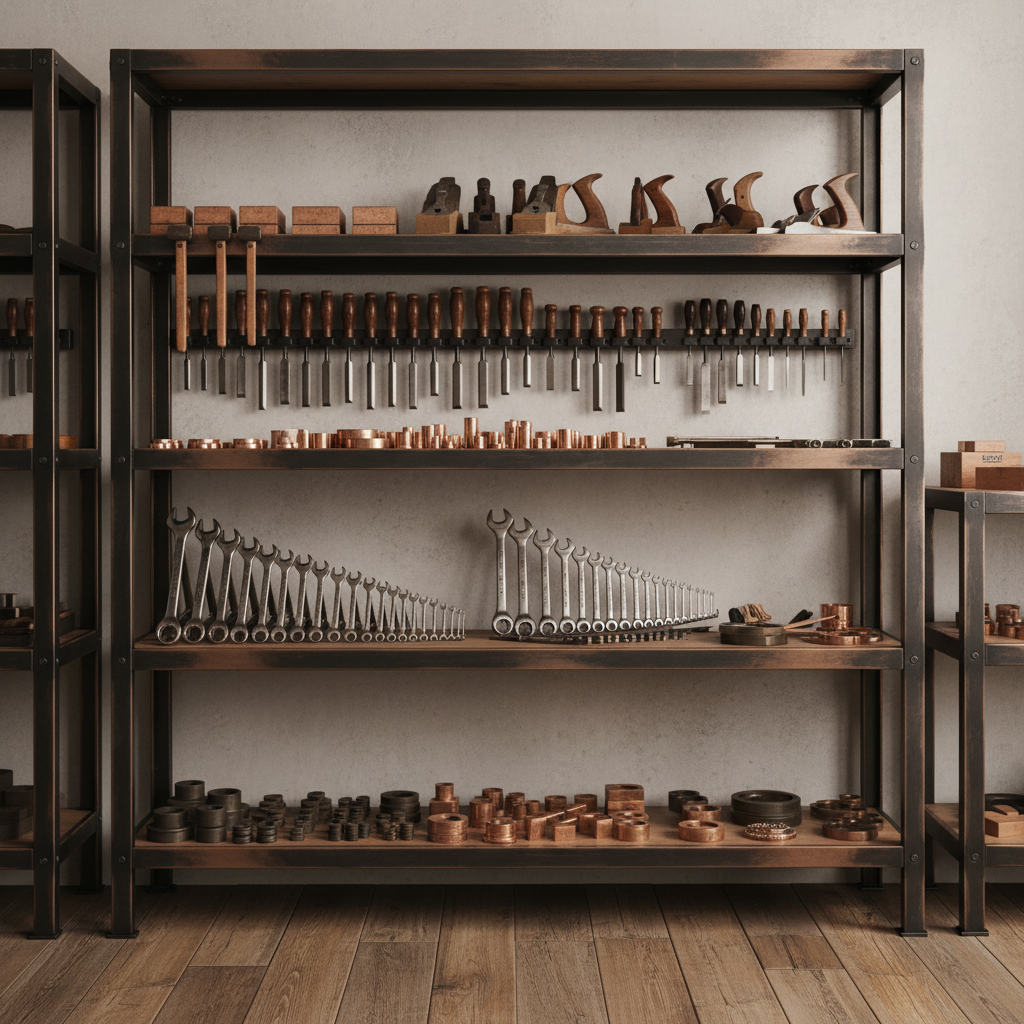
While the risks of environmental stress are real for delicate items, many belongings are perfectly suited for standard units. Choosing between climate controlled storage vs non climate controlled often comes down to the durability of the material and how frequently you need to access your space. For items engineered to withstand the elements, a standard unit is the more cost effective choice.
Items that thrive in non climate controlled environments include:
Landscaping and Outdoor Tools: Lawnmowers, snowblowers, and garden tractors are built for temperature swings.
Metal and Synthetic Furniture: Aluminum or wrought iron patio sets and heavy duty plastic bins are resilient against dry rot.
Construction Equipment: Scaffolding, ladders, and power tools can be safely stored without specialized regulation.
Seasonal Decor: Plastic holiday displays and sturdy yard ornaments.
Beyond the lower price point, the primary advantage of these units is drive-up access. This feature is essential for commercial customers or local residents who need to retrieve equipment frequently. Instead of navigating hallways, you can pull your vehicle directly to the unit door, making the management of heavy inventory or bulky equipment much more efficient. If your storage needs focus on these durable goods, our secure storage services offer a dependable, budget friendly home for your property. To find the right size for your equipment or inventory, contact us today for current rates and availability.
Making the Final Choice: A Quick Decision Checklist
Deciding between climate controlled storage vs non climate controlled often comes down to a few critical variables. Instead of guessing, use this checklist to evaluate your specific inventory against Fillmore's environment:
Is the item irreplaceable, such as a family heirloom or a unique collectible?
Is the item composed of organic or porous materials, including solid wood, leather, or paper?
Will your belongings remain in the unit for longer than 90 days, crossing a seasonal change?
Does the item have a high monetary value that would be costly to replace?
Does the item contain sensitive electronic components or internal circuitry?
If you answered yes to any of these questions, a climate controlled unit is the necessary choice to prevent environmental degradation. For items that meet these criteria, our secure storage services provide the best protection against the high desert elements. Conversely, if your items are purely durable, such as metal tools or plastic containers, a standard unit offers a practical, budget friendly solution. If you still have doubts about a specific piece of equipment, contact us today for a professional recommendation based on our local facility standards.
Common Questions About Climate Control in Utah
When evaluating climate controlled storage vs non climate controlled units, residents often ask if mold remains a threat in regulated environments. While these units manage humidity, they cannot dry out moisture already trapped in your belongings. If you store a damp area rug or wet camping gear, mold will still grow regardless of the HVAC system. To maintain our secure storage services standards, always ensure items are completely dry before move-in.
Regarding the ideal environment, the best temperature for climate controlled storage typically ranges between 55 and 80 degrees. This window prevents the thermal expansion that damages wood and electronics. For more specific questions regarding your inventory, contact us today to speak with a local expert.
Choosing the right storage solution in Fillmore depends entirely on what you plan to store and for how long. While standard units work for many items, climate control offers essential protection for sensitive valuables against Utah's temperature swings. If you want expert help navigating these options, our team is ready to assist you. You can learn more about Millard Storage and how we help our neighbors protect their belongings. We make finding the perfect space simple for every customer.