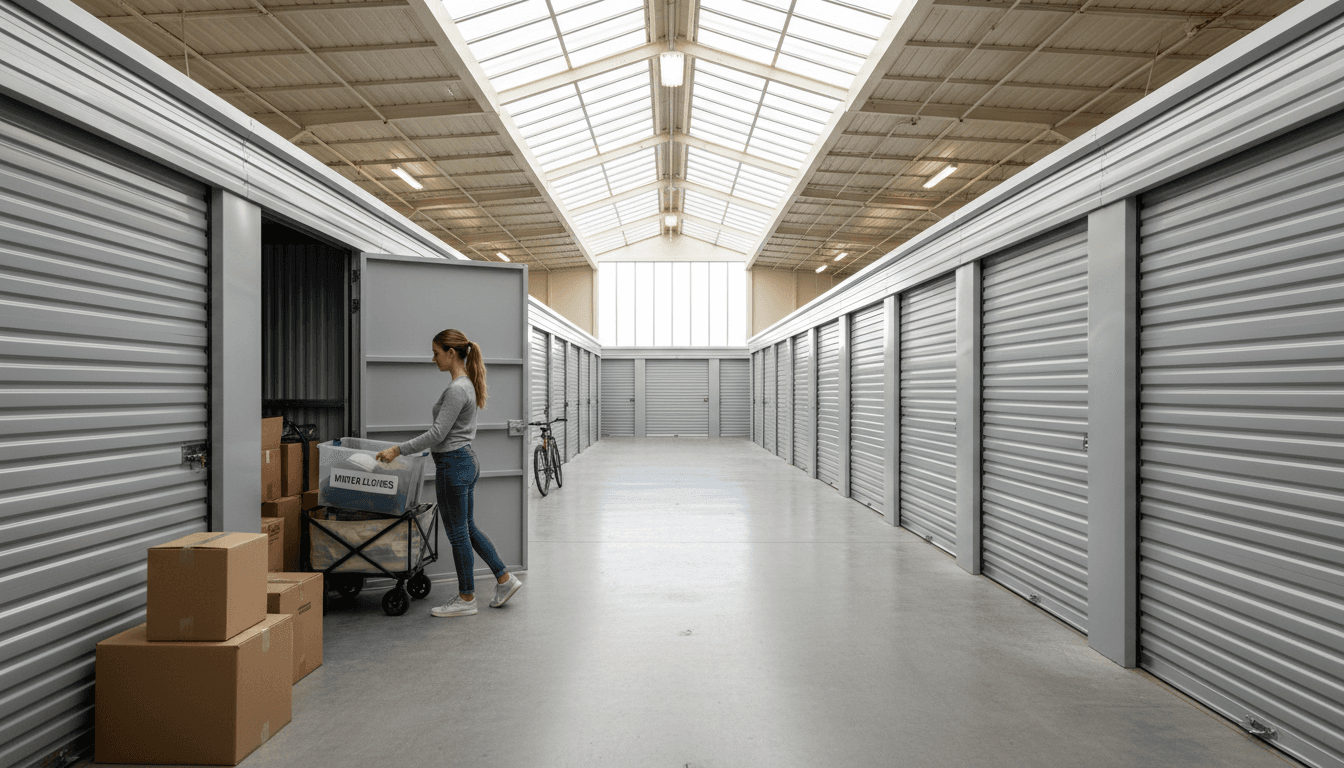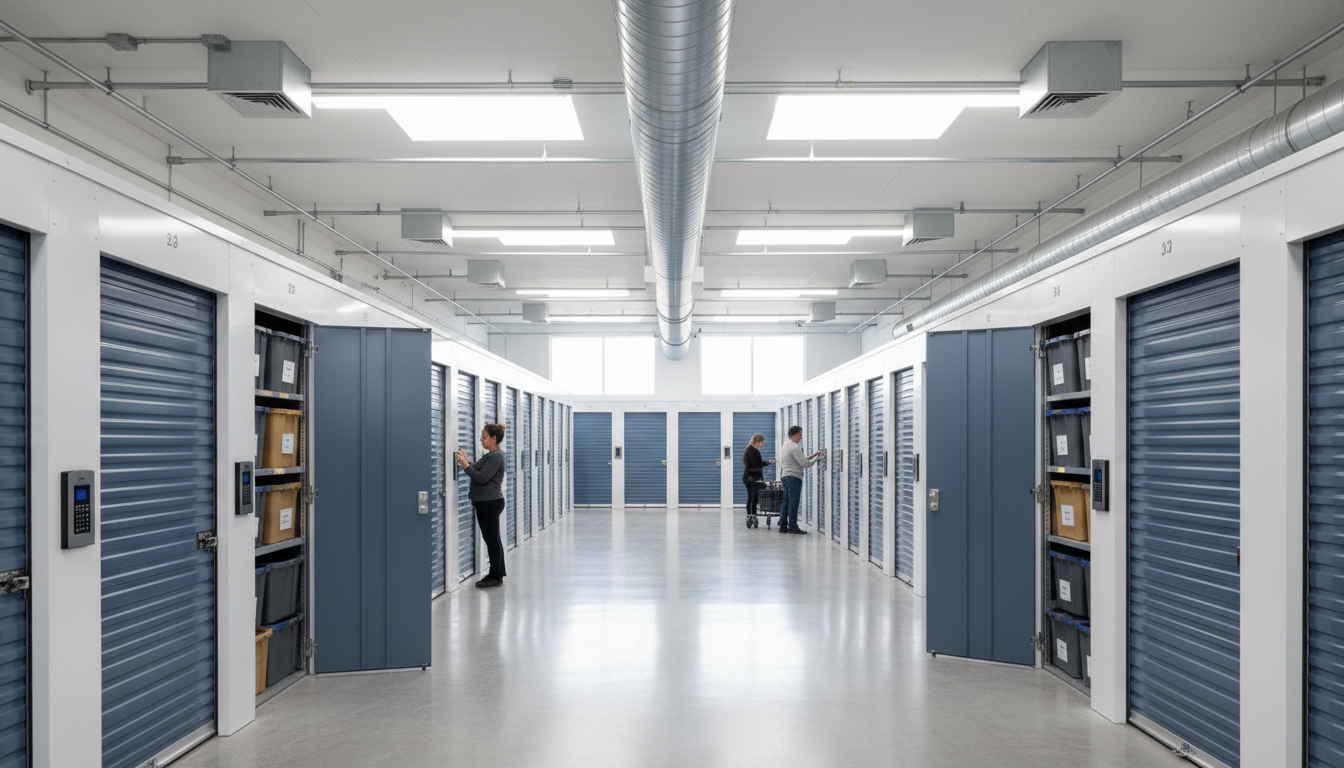
Preparing for RV and boat storage in Fillmore, Utah, involves thoroughly cleaning all surfaces, draining water tanks, and topping off fluids to prevent mechanical failure. Effective off-season care also includes winterizing engines with antifreeze, removing batteries, and using high-quality covers to protect against the local climate and pests.
Owning an RV or boat in Millard County represents a significant investment in your lifestyle, yet the harsh high desert climate of Fillmore can quickly turn that asset into a liability. Intense UV rays, extreme temperature swings, and persistent pests threaten the integrity of your exterior seals and internal systems when these vehicles sit idle for months. Proper storage is not merely about finding a convenient parking space; it is a strategic effort to preserve mechanical health and resale value against Utah’s unforgiving environment. Neglecting these seasonal realities often leads to costly repairs that delay your next adventure. In this guide, we provide a professional blueprint for off-season maintenance. You will learn specific winterization techniques for local lake conditions, methods to prevent tire rot in the intense sun, and how to select a facility that offers the security and protection your equipment deserves.
Understanding the High Desert Storage Challenge in Millard County
Storing valuable equipment in Fillmore requires a different mindset than storing it in a humid coastal region or a temperate valley. Our high desert environment in Millard County creates a unique set of challenges that can rapidly depreciate the value of your assets if they are left unprotected. While we do not face the rust and mildew concerns common in wetter climates, the combination of high-altitude UV radiation and dramatic temperature fluctuations presents a serious threat to exterior and interior components alike.
The intense Utah sun is particularly aggressive. Over a single season, prolonged exposure can dry out rubber seals, cause sidewall cracking in tires, and bleach expensive upholstery. Furthermore, the lack of humidity does not mean your gear is safe; the arid air often accelerates the brittleness of plastics and vinyl. As temperatures swing from scorching summer afternoons to sub-zero winter nights, materials expand and contract, which can lead to structural stress or seal failure.
Effective RV and boat storage in this region involves more than just finding a parking spot. It requires a strategy tailored to the specific atmospheric pressures of the Great Basin. By utilizing flexible short-term and long-term options, you can mitigate these environmental risks and ensure your investment remains ready for the next season. If you have specific concerns about how the local weather affects your equipment, contact our team for expert advice.
RV Winterization: Protecting Your Home on Wheels
Proper winterization is the only way to prevent the expensive repairs that follow a Fillmore freeze. The process begins with the plumbing, where residual water is the primary enemy. Drain your freshwater tank, gray tank, and black tank completely at an appropriate disposal site. Open all faucets and the low point drains to ensure no pockets of water remain in the lines. Once drained, bypass the water heater and pump non-toxic, pink RV antifreeze through the system until it runs through every tap and toilet. Do not forget to pour a small amount of antifreeze into each P-trap and the toilet bowl to protect the rubber seals and prevent traps from freezing and cracking.
Electrical systems require equal attention during the off-season. Even when the main switches are off, onboard electronics like CO detectors, clocks, and stereo memory create a phantom draw that can deplete a deep cycle battery in a matter of weeks. Disconnect the house batteries entirely. If you cannot move them to a temperature-controlled environment, ensure they are fully charged before disconnecting the negative terminal to prevent them from freezing.
Before the first major snowfall hits the Pahvant Range, conduct a thorough inspection of the exterior. Pay close attention to the roof seals; use a high-quality lap sealant to patch any hairline cracks around vents, skylights, and antenna mounts. When you move your rig into storage, ensure it is parked on a level surface. Maintaining a level stance is vital to prevent unnecessary torque or stress on the chassis and slide-out mechanisms during months of inactivity.
Interior hygiene is your best defense against local wildlife. Perform a deep clean of the galley and living areas, removing every trace of food and vacuuming behind cushions. Local rodents are highly resourceful, and even a forgotten box of crackers can attract pests that cause significant electrical and upholstery damage. For those needing specific space requirements to perform these tasks, our flexible short-term and long-term options offer the room and accessibility needed to prepare your vehicle correctly.
Boat Storage Essentials for Utah Lakes
Transitioning from road vehicles to watercraft requires a shift in focus toward protecting internal engine components from the dry, stagnant air of the off-season. Storing a boat in the Great Basin necessitates engine fogging to prevent internal corrosion. By spraying a specialized fogging oil into the air intake or cylinders while the engine is running, you create a protective coat on the pistons, rings, and cylinder walls. This prevents the oxidation that often occurs when moisture from the atmosphere reacts with bare metal during the long months between trips to Yuba or Gunnison Bend.
Fuel management is the next priority. A common question boaters ask is whether to fill the gas tank before winter storage. In Millard County, the answer is a definitive yes. You should fill the tank to roughly 95% capacity and add a high-quality fuel stabilizer. A full tank leaves very little room for air, which is essential because Fillmore’s extreme daily temperature swings cause air to expand and contract, leading to condensation on the tank’s interior walls. This moisture can cause phase separation in ethanol-blended fuels, leading to engine stalls or damage in the spring.
Before settling your vessel into our flexible short-term and long-term options for RV and boat storage, perform a deep clean of the hull. Desert grime, a combination of lake minerals and fine Utah dust, can bond to the gelcoat if left through the winter. Finally, remove all high-value gear, including GPS units, fish finders, and sound systems. Storing these items in a controlled environment protects their delicate circuitry from extreme cold. If you need assistance determining the best placement for your trailer, contact our team for expert advice.
Maintaining Outdoor Toys: ATVs, UTVs, and Jet Skis

Smaller engines are just as susceptible to the Millard County climate as their larger counterparts. For ATVs and UTVs, the primary concern is battery health. Deep freezes in Fillmore can destroy a lead-acid battery that isn't fully charged. A smart battery tender is essential; it maintains a trickle charge without overcharging, extending the life of your battery significantly. Before parking your machine in one of our flexible short-term and long-term options, wash it thoroughly. Dried mud traps moisture against the metal frame, leading to premature rust. Pay close attention to the trailers as well. The salt and magnesium chloride used on Utah roads during the late fall can eat through trailer finishes, so a high-pressure rinse of the axle and frame is mandatory before storage.
Personal watercraft require a specific procedure to survive a sub-zero winter. While a boat's hull is robust, a jet ski's cooling and exhaust systems are delicate. You must ensure all water is purged from the exhaust system; even a small amount of trapped water can expand and crack the manifold when the temperature drops. Start the engine on the trailer for no more than fifteen seconds while blipping the throttle to blow out residual water. For those coordinating multiple vehicles, contact our team to discuss how to maximize your space. Proper preparation ensures that when spring arrives, your equipment is ready for the trails and reservoirs without the need for emergency repairs. Integrating these steps into your broader strategy for RV and boat storage protects your entire fleet.
How to Keep RV Tires from Rotting in the Utah Sun
High-altitude UV radiation in Millard County is the primary culprit behind premature tire failure. Unlike lower elevations, our thin atmosphere allows intense solar energy to penetrate rubber compounds, causing the sidewalls to dry out and crack, a process commonly known as dry rot. To combat this, always utilize breathable tire covers during the off-season. Avoid using non-breathable plastic tarps, as they trap heat and moisture against the rubber, which can actually accelerate degradation.
Surface selection is equally critical for successful RV and boat storage. Parking directly on bare dirt allows moisture to be wicked into the tire while simultaneously drawing protective oils out of the rubber. A stable surface such as concrete or well-compacted gravel is far superior for maintaining tire integrity. Before parking, inflate all tires to the manufacturer’s maximum recommended cold PSI. This maintains the tire's structural shape and helps prevent flat-spotting during months of inactivity. For owners seeking a secure location with proper ground cover, our flexible short-term and long-term options ensure your vehicle sits on a surface designed for heavy loads. If you need advice on tire positioning, contact our team for expert guidance.
Managing Moisture and Pests in a Dry Climate

Properly managing the interior environment is a critical component of successful RV and boat storage in the Great Basin. Although Fillmore is famously arid, the dramatic temperature swings between day and night create a cycle of condensation. When warm daytime air trapped inside a cabin cools rapidly after sunset, moisture settles on surfaces, potentially leading to mildew on upholstery or rust on interior metal hardware. Placing large desiccant canisters or silica gel packs in central areas and closed compartments will mitigate this risk by absorbing residual humidity before it can saturate fabrics.
Local wildlife presents a concurrent threat as temperatures drop. Desert rodents, including deer mice and pack rats, actively seek the insulation and protection offered by stored vehicles. Mechanical exclusion is the only reliable defense. Inspect the undercarriage for any entry point larger than a quarter inch, then plug these gaps with stainless steel wool or copper mesh, which rodents cannot chew through. Avoid using food-based baits or scented deterrents that might inadvertently attract pests from the surrounding brush. By maintaining a clean, sealed environment within our flexible short-term and long-term options, you significantly reduce the risk of structural or electrical damage. If you discover signs of activity during a routine check, contact our team to discuss additional preventative measures for your specific setup.
Choosing the Right RV and Boat Storage Facility in Fillmore
Selecting a facility in Fillmore requires evaluating both the physical layout and the security protocols. When handling large trailers or motorhomes, the width of the drive aisles is the most critical logistical factor. A facility designed with ample turning radii prevents the stress of tight maneuvers and reduces the risk of accidental scrapes against other units.
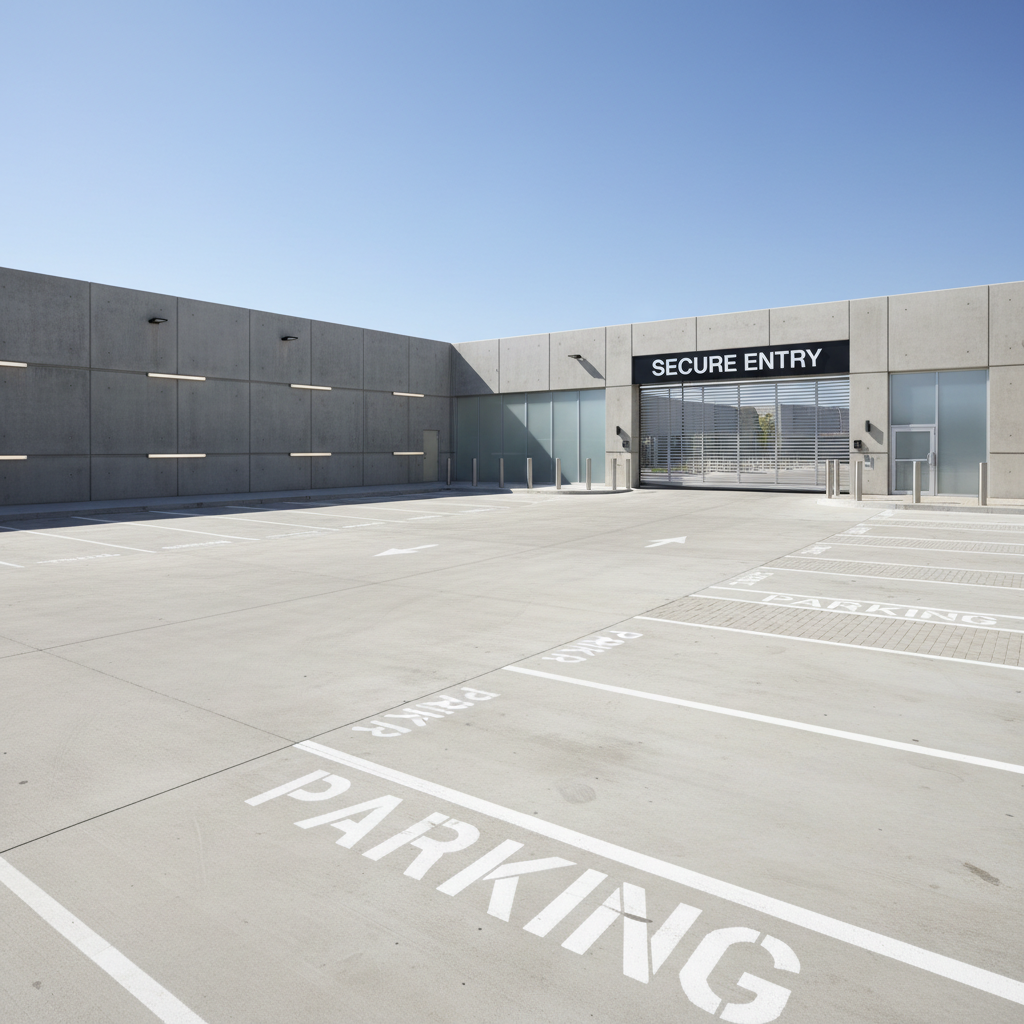
Security should be a multi-layered approach. Look for a property featuring robust perimeter fencing and automated gated entry. These physical barriers are the first line of defense, but 24/7 access ensures that you can retrieve your vehicle for a weekend trip on your own schedule without waiting for business hours. Local management provides an extra layer of oversight that remote-managed sites often lack; having someone familiar with the Millard County landscape ensures that issues like snow buildup or fence integrity are addressed promptly.
While a backyard or an open field might seem cost-effective, they lack the surveillance and controlled access necessary to protect high-value assets. Utilizing flexible short-term and long-term options for RV and boat storage provides a level of professional security that keeps your investment safe from both opportunistic theft and localized environmental hazards. To discuss unit availability and site layout, contact our team to find the right fit for your equipment.
Protecting your boat or RV during the off-season in Fillmore is essential for long-term maintenance. By following these steps, you can ensure your outdoor toys stay in great condition until the snow melts. However, managing every detail on your own can be a challenge. If you want expert help securing your valuable vehicles in a safe environment, you can learn more about our team and how we serve the local community. We are here to make your storage experience simple and stress-free.