
Effective techniques for how to pack a storage unit include prioritizing frequently used items at the front, creating walkways for access, and maintaining a detailed inventory map. To ensure protection, use sturdy plastic bins, elevate items off the ground, and opt for climate-controlled units to prevent moisture or temperature damage. These strategies maximize space while keeping your belongings organized and safe for long-term storage.
Most people view a storage unit as a temporary solution for excess clutter, but a poorly packed space quickly transforms into a stressful obstacle course of toppling boxes and inaccessible furniture. The frustration of digging through a mountain of unlabeled bins just to find one essential item is a common reality that often results in damaged belongings. At Millard Storage, we know that true organization requires more than just square footage; it requires a disciplined strategy to preserve your assets. Proper packing is a calculated process designed to mitigate risks like dust, pests, and structural instability. This guide provides a professional blueprint for mastering your space. You will learn how to select the right containers, implement the aisle method for accessibility, and utilize proven hacks to maximize every inch of your unit while keeping your valuables in pristine condition.
Mastering the Art of Storage: Why Strategy Matters
Effective storage management involves more than just maximizing floor space. While fitting everything into a unit is the initial goal, true mastery lies in ensuring long term preservation and maintaining immediate accessibility. For residents and business owners in Fillmore, environmental factors like dust and seasonal temperature shifts necessitate a strategic approach to packing. Items left unprotected or packed haphazardly are more susceptible to wear and environmental stress over time.
At Millard Storage, we provide secure, dependable storage through clean, well maintained facilities designed to keep your belongings protected. Understanding how to pack a storage unit properly ensures that your residential furniture or commercial inventory remains in peak condition. A deliberate strategy prevents the frustration of digging through stacks of unlabeled boxes months down the road. By focusing on organization and protective techniques now, you ensure your valuables are both safe and readily retrievable whenever you need them.
Preparation Phase: Inventory and Cleaning Basics
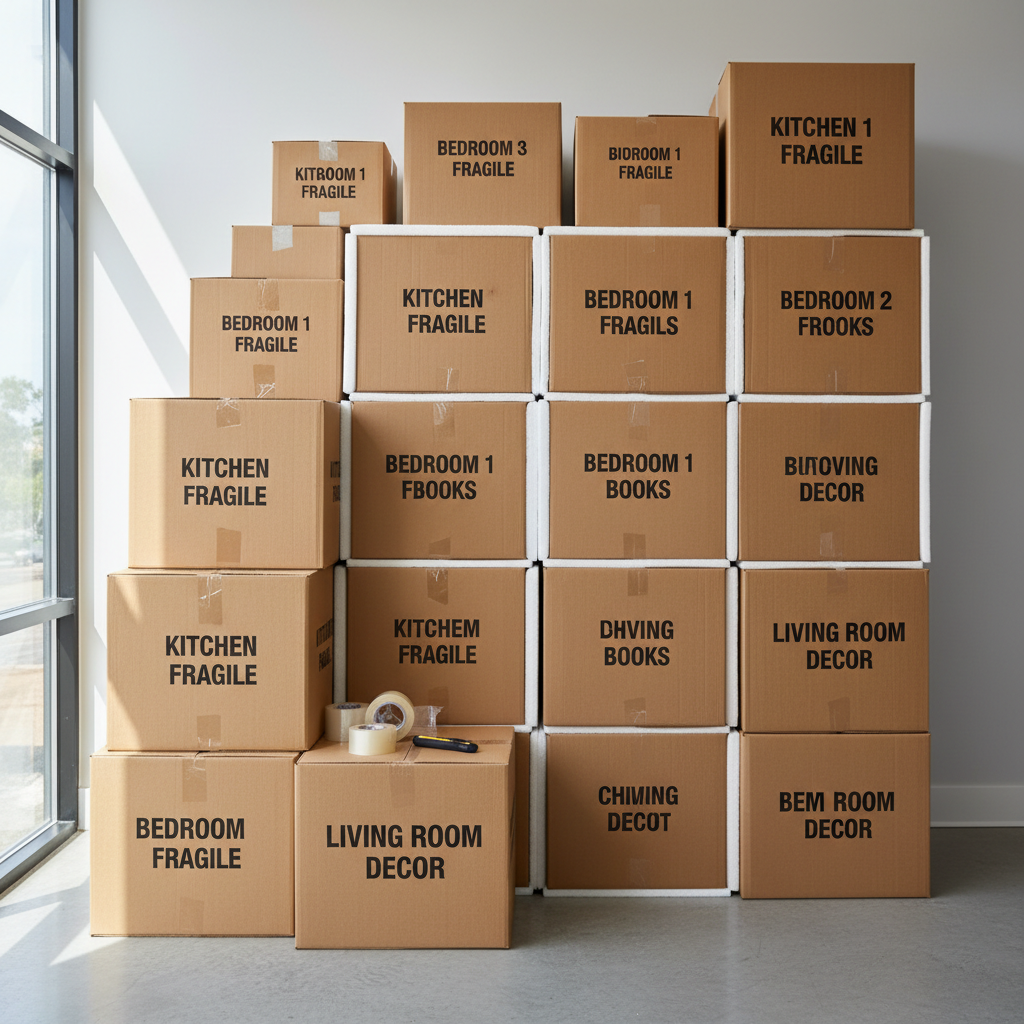
A successful packing strategy begins long before you arrive at the facility. To maintain the integrity of your belongings, you must ensure every item is clean and completely dry. Vacuum upholstered furniture to remove crumbs or organic matter that could cause odors; wipe down hard surfaces with a mild cleanser to remove oils and dust. For Fillmore business owners, commercial equipment should be degreased and inspected for leaks before storage. Any trapped moisture or residue can lead to mold or mildew, even in a secure environment.
Simultaneously, develop a master inventory list. Use a digital spreadsheet or a dedicated app to record the contents of every box. Attaching a photo of the contents to the digital file provides a visual reference for later. For residential clients, separate items by room. For commercial users, categorize by SKU, project type, or equipment category. This systematic approach simplifies the process of learning how to pack a storage unit for maximum efficiency.
When it comes to labeling, avoid the common mistake of only marking the top of the box. Once containers are stacked, top labels become invisible. Instead, use a thick permanent marker to label all four sides of every box with a brief description and a unique number that corresponds to your inventory list. If you have questions about specific items or restricted materials, you can always contact Millard Storage for guidance on facility policies.
Choosing the Right Containers: Is Cardboard or Plastic Better?
Once your items are clean and inventoried, selecting the appropriate container is the next step in learning how to pack a storage unit for long term success. While cardboard is the traditional choice due to its low cost and ease of disposal, its performance varies depending on the duration of storage and the local environment in Fillmore.
Cardboard boxes are suitable for short term residential moves or commercial inventory that turns over within a few months. To maintain stability, always use new, double walled cardboard rather than used grocery store boxes, which may carry structural weaknesses or organic residue. In contrast, plastic bins are the professional standard for long term protection. These containers create a rigid barrier against dust, moisture, and pests. Clear plastic bins are particularly useful for items you may need to retrieve quickly, such as seasonal decorations or specific business files, as they allow for instant visual identification without opening every lid.
Container Type | Best Application | Key Benefit |
|---|---|---|
Cardboard | Short-term moves | Cost-effective and recyclable |
Plastic Bins | Long-term storage | Moisture and pest resistance |
Uniform Sizes | Large unit packing | Safer, more stable stacking |
Millard Storage provides secure, dependable storage environments, but the container remains your first line of defense. When stacking, prioritize uniform sizes. Mixing large and small boxes creates unstable columns that are prone to tipping. By using identical dimensions, you distribute weight evenly, preventing the bottom layers from collapsing under the pressure of a stack. If you choose cardboard for long term use, consider placing moisture absorbing packets inside and elevating the boxes off the concrete floor to prevent any potential moisture wicking from the ground.
Storage Unit Packing Hacks: Maximizing Every Square Inch
Maximizing the efficiency of your unit requires looking at furniture and appliances as storage vessels rather than just items to be stored. Empty space inside a refrigerator, dishwasher, or chest of drawers represents wasted square footage. Fill these cavities with soft goods such as linens, pillows, or clothing packed in small bags. When using appliances for storage, ensure the doors are propped slightly open to allow for airflow; this prevents stale odors from developing during long term placement.
Disassembling furniture is one of the most effective ways to reclaim floor space and learn how to pack a storage unit like a professional. Remove legs from dining tables and desks, and take apart bed frames and headboards. By storing these components vertically against the wall, you open up significant room for stacking boxes. To avoid the common frustration of lost components, place all screws, bolts, and specialized tools into a small, clear plastic bag. Label the bag clearly and tape it securely to the underside or back of the corresponding furniture piece. This keeps the assembly hardware exactly where it belongs for when you eventually retrieve your items.
When constructing your stacks, follow the "heavy to light" principle to maintain structural integrity and safety. Place your heaviest, most durable items at the bottom to serve as a stable foundation. This includes solid wood furniture, heavy machinery for commercial clients, or crates of books. Stack lighter boxes and fragile items on top to prevent crushing. For sofas, consider standing them on end if the frame is sturdy enough; this can save several square feet of floor space. If you have questions about the weight limits of certain items or need advice on maximizing your specific space, you can contact Millard Storage for assistance. Utilizing these vertical strategies ensures you get the most value from your secure, dependable storage unit while keeping your belongings organized and protected.
Creating an Accessible Layout: The Aisle Method
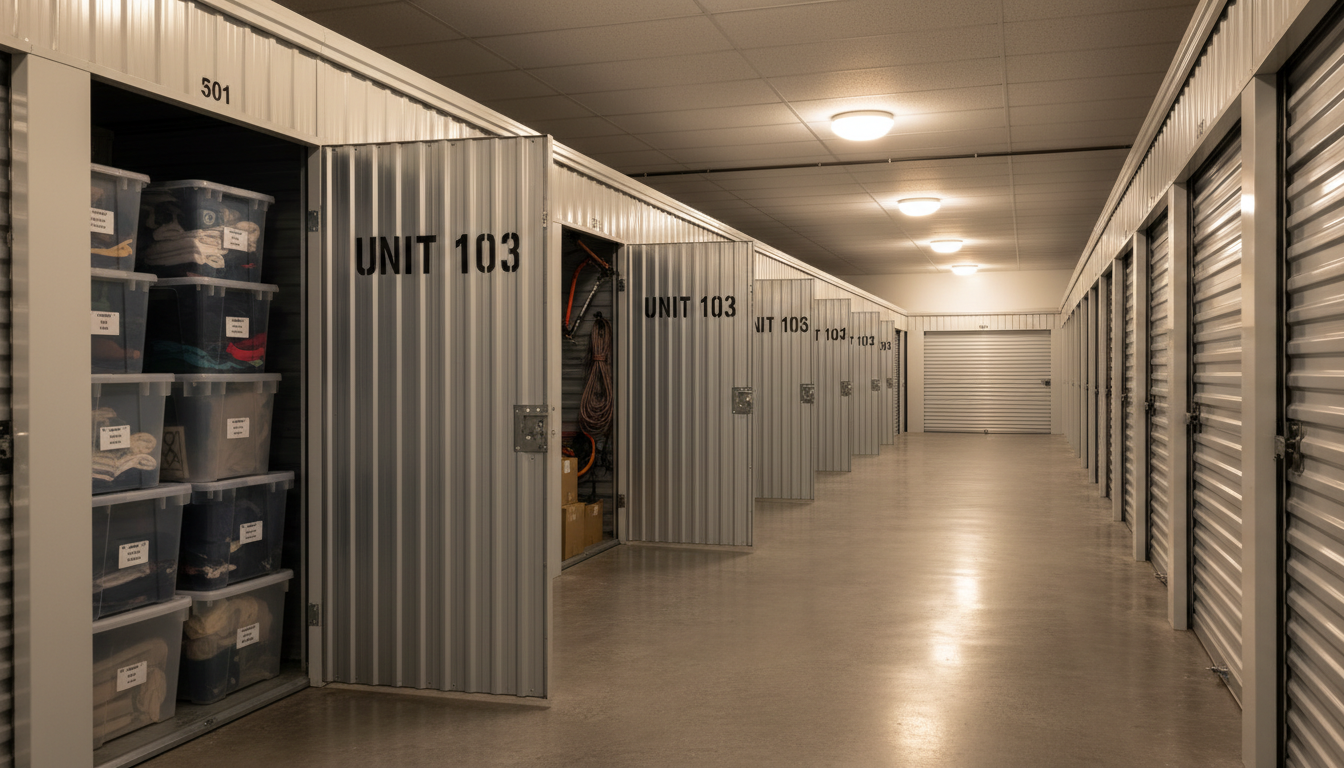
Maximizing vertical space is only half the battle; the layout of your unit determines how quickly you can retrieve items without dismantling every stack. For a 10x10 unit or larger, a solid block of boxes creates a physical barrier that prevents access to the rear. Instead, implement a center aisle or an L-shaped path. A narrow walkway through the middle of the unit allows you to reach the back corners easily, transforming a crowded room into an organized warehouse. This layout is a cornerstone of the secure, dependable storage experience we prioritize at Millard Storage, ensuring your belongings remain accessible.
Positioning items based on frequency of use is the next logical step. Place high-demand items, such as business inventory, current hobby gear, or frequently used tools, directly inside the door. Save the back of the unit for seasonal decorations, heirlooms, and long term archives that you only need once or twice a year.
To further protect your property, leave a two inch gap between your boxes and the facility walls. This small space facilitates proper airflow throughout the unit, which helps regulate the environment and prevents dust from settling in stagnant pockets. If you are unsure which layout best fits your specific inventory, you can contact Millard Storage for expert advice on unit sizing and space management.
How to Pack a Storage Unit to Keep Bugs and Dust Away
Maintaining airflow via wall gaps helps, but active pest prevention requires specific deterrents. When deciding what to put in storage unit to keep bugs away, reach for natural alternatives rather than harsh chemicals. Mothballs leave an invasive scent that is difficult to remove from fabrics and furniture. Instead, place cedar blocks or dried lavender sachets near the corners of your unit and inside boxes containing clothing or linens. These provide a gentle repellent without the toxic lingering odor.
Preventing infestations also means eliminating attractants. Never store food items, birdseed, or pet treats, even in sealed containers. Furthermore, avoid storing scented items like decorative candles or fragrant soaps unless they are placed in airtight plastic bins; these aromas can inadvertently draw pests.
Protecting against dust and potential moisture buildup starts at the floor level. Even in our clean facilities, concrete can harbor fine particles or hold slight temperature variations. Elevate your belongings using wooden pallets or heavy duty plastic shelving. This physical barrier ensures your items remain dry and clean, reinforcing the secure, dependable storage environment we maintain. If you have specific concerns about sensitive materials, you can always contact Millard Storage for expert advice on environmental protection.
Protecting Electronics and Fragile Items in Non-Climate Units
Elevating items and deterring pests addresses external threats, but delicate electronics and fragile heirlooms require internal safeguards against Fillmore’s high desert temperature fluctuations. While Millard Storage provides secure, dependable storage through well maintained facilities, standard units are subject to seasonal heat shifts. Protecting sensitive components begins with proper insulation and orientation.
For televisions and computer monitors, the gold standard is the original manufacturer packaging. If that is unavailable, use specialized double walled electronics boxes. Wrap screens first in anti-static foam or a clean microfiber cloth; avoid placing bubble wrap directly against the screen, as the plastic can trap heat or leave circular impressions on the glass. Always store screens in an upright, vertical position. Laying a flat-screen TV on its side puts immense pressure on the internal liquid crystal layers, which can lead to permanent damage or cracking.
Item Category | Recommended Protection | Warning |
|---|---|---|
TVs / Monitors | Anti-static foam & upright boxes | Never store flat |
Glassware | Packing paper & cell dividers | Avoid newsprint (ink bleed) |
Delicate Media | Climate-controlled environment | Records warp in peak heat |
General Tech | Silica gel packets | Remove batteries to prevent leaks |
Avoid storing items prone to melting or warping, such as wax candles or vinyl records, in standard units during peak Utah summer months. For those learning how to pack a storage unit for business inventory, remember to remove batteries from all devices to prevent acid leakage. If you have concerns about specific hardware or need advice on specialized crating, you can contact Millard Storage for guidance.
Common Storage Unit Mistakes to Avoid

One frequent error when learning how to pack a storage unit involves overfilling boxes to save space. This creates containers that are dangerously heavy and prone to collapsing under their own weight. Use small boxes for dense items like books and save large boxes for linens. Avoid using old newspapers for wrapping, because the ink can permanently bleed into porcelain or light fabrics over time. Use clean, acid-free packing paper instead.
Security is paramount at our facility. While Millard Storage provides secure, dependable storage, your individual unit needs a high-quality lock. Avoid standard padlocks with long, exposed shanks; instead, opt for a stainless steel disc lock. This design is significantly more resistant to bolt cutters, ensuring your items remain protected. For lock specifications or further site rules, contact Millard Storage before your scheduled move-in day.