Effective contractor storage unit organization utilizes vertical shelving, clear labeling, and strategic equipment zones to transform a standard unit into a secure, functional operational base. This systematic approach protects high-value tools from damage while streamlining inventory management for construction and landscaping professionals. By maximizing floor space and ensuring quick access to supplies, businesses can reduce downtime and improve overall job site efficiency.
Every minute spent rummaging through a cluttered truck bed or a disorganized pile of equipment is a minute of lost profit. For contractors in Fillmore, professional reputation and operational efficiency are built on the ability to access the right tool at the exact moment it is needed. A storage unit should not function as a passive warehouse; it must serve as a secure, strategic command center for your daily operations. This guide explores how to optimize your workspace by designing high efficiency layouts and rotating gear to meet the demands of Utah’s changing seasons. We will examine practical strategies for inventory management, theft prevention, and the financial advantages of leveraging storage as a deductible business expense. Learn how to transform your unit into a professional base that supports your growth.
Why Fillmore Contractors Are Moving Operations to Self Storage
Local contractors in Fillmore are increasingly shifting their operations away from residential garages and expensive commercial warehouses toward self storage. For many service businesses, the overhead of a dedicated industrial lease in Millard County is hard to justify, especially during seasonal shifts. Using a storage unit as a primary hub offers a lean, professional solution that scales with your project load.
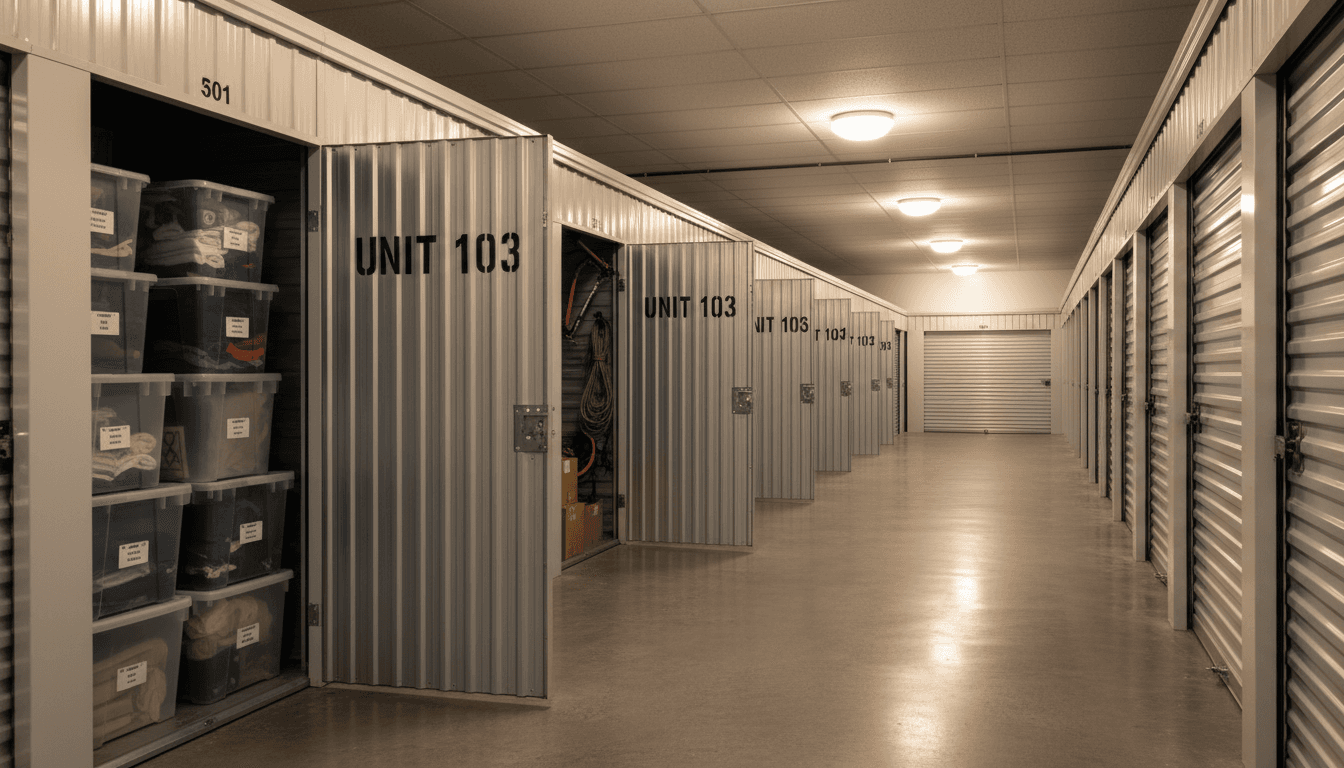
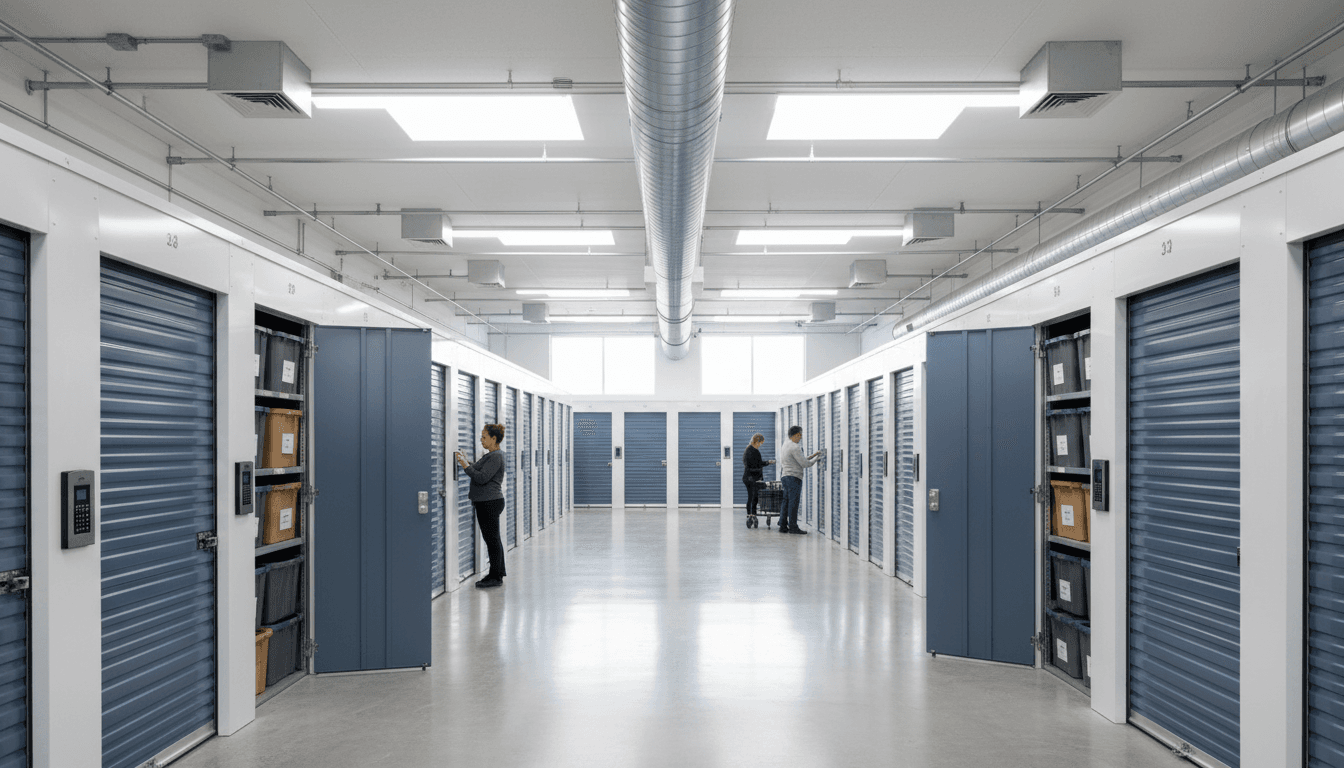
Standard work trucks often become mobile junk drawers, leading to lost time and damaged inventory. Moving to a dedicated unit allows for professional contractor storage unit organization, ensuring every tool has a home and materials are kept in pristine condition. The drive-up access at Millard Storage in Fillmore is a critical logistical advantage; it allows you to back your vehicle right to the door for the effortless transfer of heavy machinery, ladders, or pallets of shingles.
This shift eliminates the daily stress of navigating a cluttered home workshop or leaving expensive equipment vulnerable in a driveway. With flexible short-term and long-term options, you gain a secure, central base near I-15 that functions as a micro-warehouse without the long-term debt of a traditional lease. This approach turns a storage unit into a strategic asset for growth, providing the space needed to manage inventory effectively before heading out to job sites in Meadow or Kanosh.
Designing Your Layout for Daily Efficiency

Maximizing the utility of your space starts with a deliberate floor plan. Effective contractor storage unit organization relies on the Zone Method, which prioritizes access based on how often you touch a specific piece of equipment. By categorizing your gear into three distinct areas, you eliminate the morning scramble and ensure your truck is loaded in minutes rather than half an hour.
Zone 1, located immediately inside the door, is your Prime Real Estate. This area should hold high-turnover consumables and daily essentials such as screws, adhesives, tape, and lubricants. If you need to grab a box of galvanized nails or a fresh roll of flashing, you should be able to reach them without fully entering the unit. Zone 2, the mid-section, is reserved for primary power tools and specialized equipment used several times a week. Finally, Zone 3 at the very back should house heavy machinery, seasonal inventory, or bulk backstock.
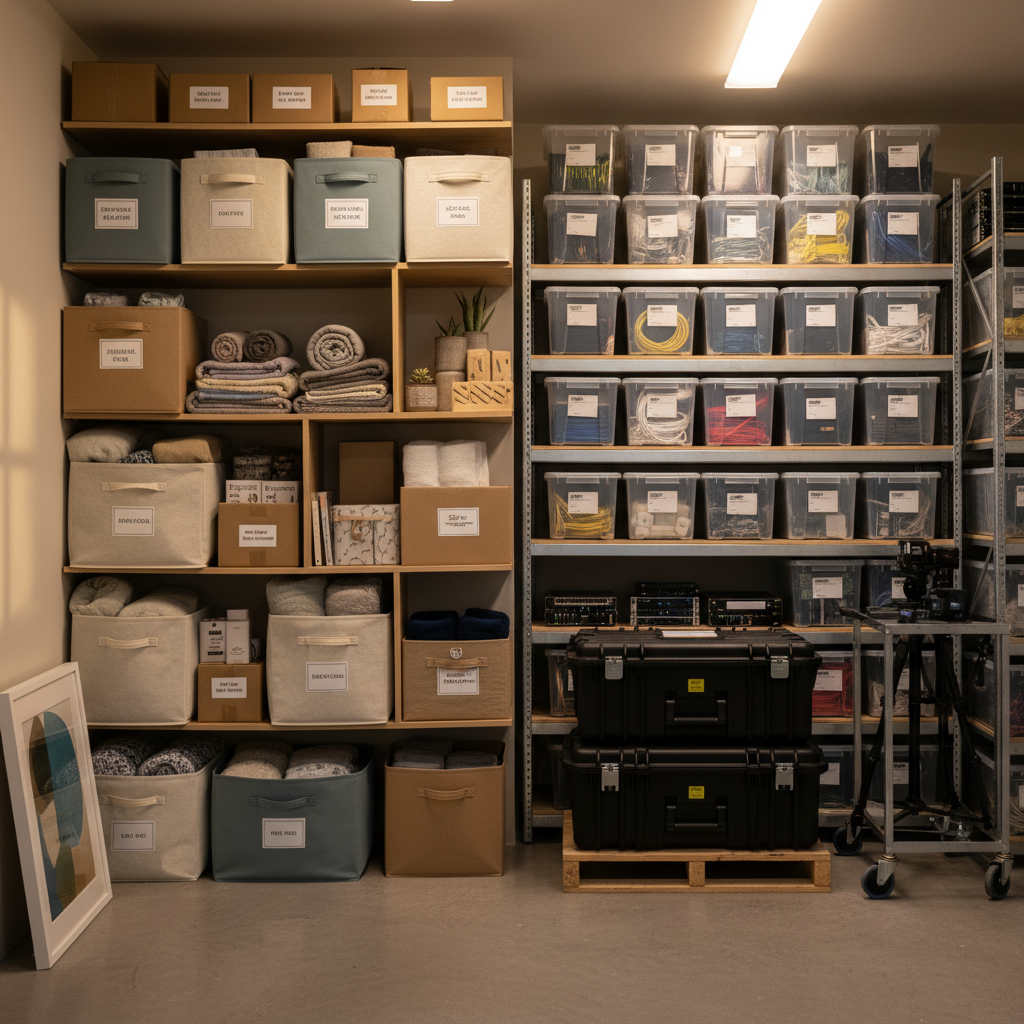
To maintain this structure, avoid stacking boxes or bins directly on the floor. Stacking creates a barrier to entry and often leads to damaged goods. Instead, invest in heavy-duty freestanding metal shelving units. Metal is preferable to wood or plastic in a storage environment because it handles the weight of heavy tool cases without bowing and allows for better airflow. Position these units along the perimeter walls to keep a central aisle clear for foot traffic and dollies.
Handling long or awkward materials requires a different approach. Store PVC pipes, conduit, and trim vertically using wall-leaners or secured racking systems that utilize the full height of the unit. Ladders should also be stored vertically or on ceiling-height racks to keep them off the floor. This vertical orientation prevents materials from becoming trip hazards and protects them from being crushed by heavier gear. Utilizing the vertical volume of Millard Storage in Fillmore ensures you get the most value out of your flexible short-term and long-term options, keeping your operation lean and your overhead low.
Seasonal Equipment Rotation for Utah Weather

Effective contractor storage unit organization requires more than a one time setup; it demands a seasonal strategy tailored to the Intermountain West. In Fillmore, the transition between landscaping season and snow removal is often sharp. To stay efficient, schedule a quarterly Switch Day. On this day, move off-season machinery to the back of the unit and bring current season tools to the front Prime Real Estate zone. This rotation prevents you from tripping over snowblowers in July or digging through lawn aerators in January.
Properly prepping equipment before it hits the back of the unit is critical for its lifespan. For landscaping gear, drain the fuel tanks or add a stabilizer to prevent carburetor gumming during the dormant months. Scrub mower decks to remove packed grass clippings, which trap moisture and cause deck rot over the winter. Conversely, when storing snow removal equipment for the summer, a thorough wash is mandatory. Utah road salt is incredibly aggressive; if left on steel blades or spreaders, it will cause significant pitting and rust by the time the first frost hits.
Follow this off-season maintenance checklist to keep your gear ready for the next shift: - Clean High-Impact Areas: Pressure wash salt from plows and organic debris from mowers. - Rust Prevention: Wipe down exposed metal surfaces with a corrosion inhibitor or a light coat of oil to create a barrier against humidity. - Battery Care: Remove batteries from equipment and store them on a wooden shelf, not the concrete floor, to maintain their charge.
By utilizing flexible short-term and long-term options at Millard Storage in Fillmore, you can cycle equipment in and out as the weather shifts, ensuring your primary tools are always at your fingertips while keeping your off-season assets protected.
How to Organize Construction Materials and Consumables
Managing a rotating stock of building supplies requires a system that prevents over-purchasing and material degradation. For small consumables like electrical wire nuts, plumbing fittings, or fasteners, clear plastic bins are superior to cardboard boxes. Clear containers allow you to assess stock levels at a glance, while bold labels help you find specific hardware without opening every lid. This approach is the most effective way to organize construction materials because it ensures that small, high-value components do not get lost in the bottom of a bucket.
For larger inventory, such as bundles of shingles, bags of concrete, or lumber, avoid placing materials directly on the floor. Even in well-maintained facilities, concrete can wick moisture into porous materials, leading to rot, mold, or clumping in cement mixes. Use wooden pallets to create a raised platform. This provides essential airflow underneath your stock and protects your investment from floor-level humidity or accidental spills.
Practical ideas for storage for tools include using heavy-duty pegboards mounted to freestanding frames or magnetic strips for hand tools, keeping them visible and within reach. At Millard Storage in Fillmore, the spacious units allow you to implement these flexible short-term and long-term options effectively. Consistent contractor storage unit organization turns a simple unit into a functional warehouse, keeping your valuables secure and ready for the next project in Millard County.
Theft Prevention and Inventory Management

Physical organization serves little purpose if the assets themselves are not protected by a robust security protocol. Security at Millard Storage in Fillmore starts with the perimeter, but your individual unit requires its own defense strategy. The first line of defense is a high-quality, stainless steel disc lock. Unlike traditional padlocks, disc locks feature a shielded shackle that is nearly impossible to reach with bolt cutters, providing a significant upgrade in keeping your valuables secure.
Professional inventory management prevents a phenomenon known as inventory blindness. This occurs when a workspace becomes so crowded or chaotic that the owner loses track of specific items. If you cannot tell at a glance exactly what tools are in your unit, you will not notice when something is missing. This lack of oversight can lead to internal shrinkage or make it difficult to identify external theft until it is too late. Establishing a digital photo log is a practical solution. Photograph every high-value item, specifically capturing the serial number and any unique markings, then store these files in a cloud-based folder for insurance purposes.
A rigorous approach to contractor storage unit organization functions as a deterrent in itself. When every tool has a designated silhouette on a pegboard or a specific place on a shelf, a missing item creates an immediate visual void. Using flexible short-term and long-term options to maintain a tidy, inventoried space ensures that your operation remains transparent and your overhead is protected from avoidable loss.
Operating Your Business from a Millard Storage Unit

Many local entrepreneurs ask, "Can you run a small business in a storage unit?" The answer depends on the nature of your operations. While Millard Storage serves as a professional warehouse and inventory hub, it is not designed for daily desk work or as a customer-facing office. Instead, it functions as the logistical heart of your company. By mastering contractor storage unit organization, you transform a standard space into a high-efficiency distribution center for your materials and gear.
One of the primary advantages of utilizing Millard Storage in Fillmore is the ability to scale without the risk of a long-term commercial lease. Flexible short-term and long-term options allow you to rent additional units during the peak summer construction surge and consolidate back down when the ground freezes in January. This financial agility is critical for maintaining healthy cash flow in the service industry.
The facility's proximity to I-15 provides a tactical advantage for contractors serving the wider Millard County area. Having a central base in Fillmore allows for rapid transit to job sites in Meadow or Kanosh, ensuring that you spend more time on the clock and less time commuting. Keeping your valuables secure in a centralized location means your crew can meet at the unit, load up, and be on-site while the competition is still digging through a home garage.
Financial Benefits: Storage as a Business Expense
Beyond the logistical gains of contractor storage unit organization, moving operations into a dedicated unit offers clear financial advantages. For most small businesses in Millard County, the cost of renting a unit is a legitimate operating expense. If the space is used exclusively for storing business equipment, inventory, or job materials, it is generally tax-deductible as an operational cost. This approach is significantly more cost-effective than the property taxes and construction costs associated with residential expansion or the high overhead of a traditional warehouse lease.
Utilizing flexible short-term and long-term options at Millard Storage in Fillmore ensures you only pay for the square footage you actually need. While you should always consult a qualified tax professional regarding your specific situation, itemizing these monthly fees can effectively reduce your taxable income. By keeping your valuables secure in a professional facility, you are investing in a scalable, tax-efficient hub that protects your bottom line.
Building a secure operational base is essential for any contractor looking to streamline their daily workflow. By implementing strategic storage solutions and prioritizing safety, you ensure your equipment remains protected and accessible. While setting up your own space is a great start, finding a facility that truly understands the unique needs of your business can make a significant difference. If you want expert help tailoring a storage strategy that works for you, feel free to learn more about our mission and dedicated services.