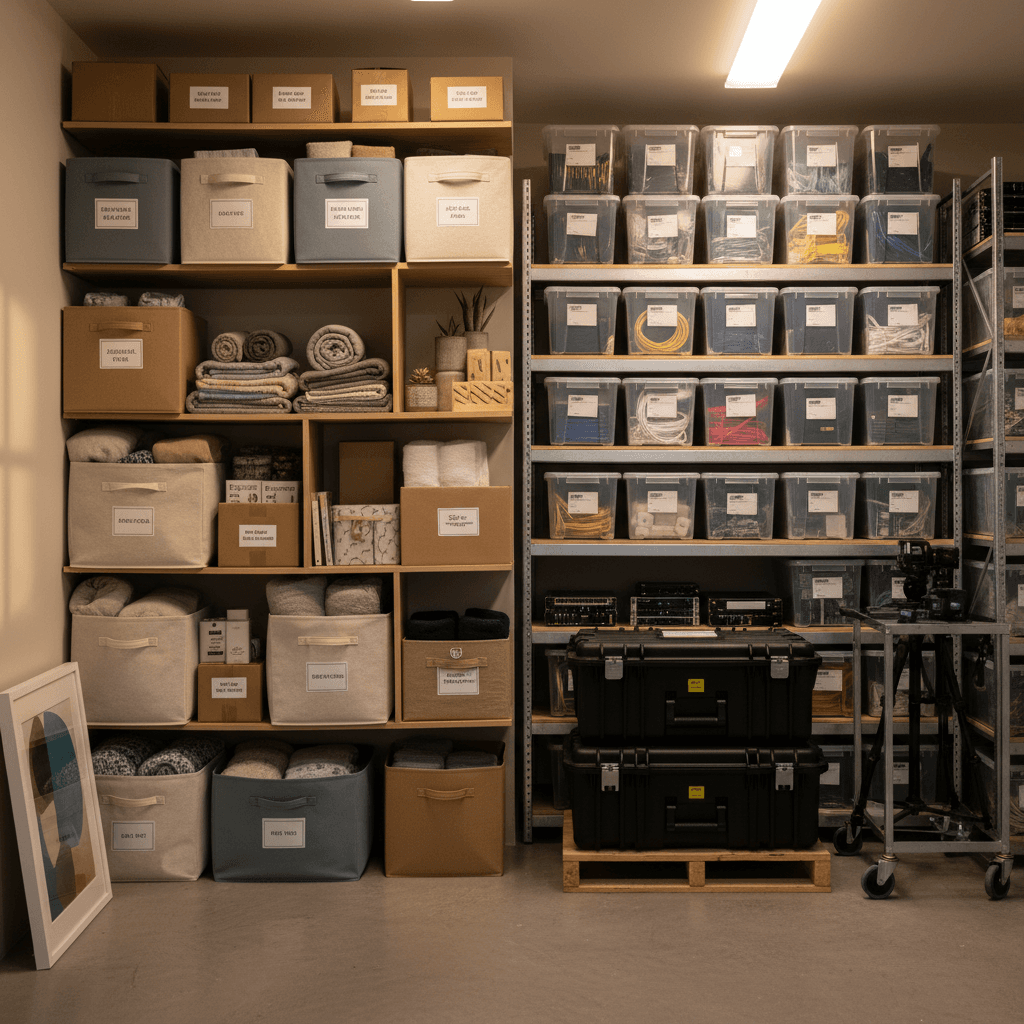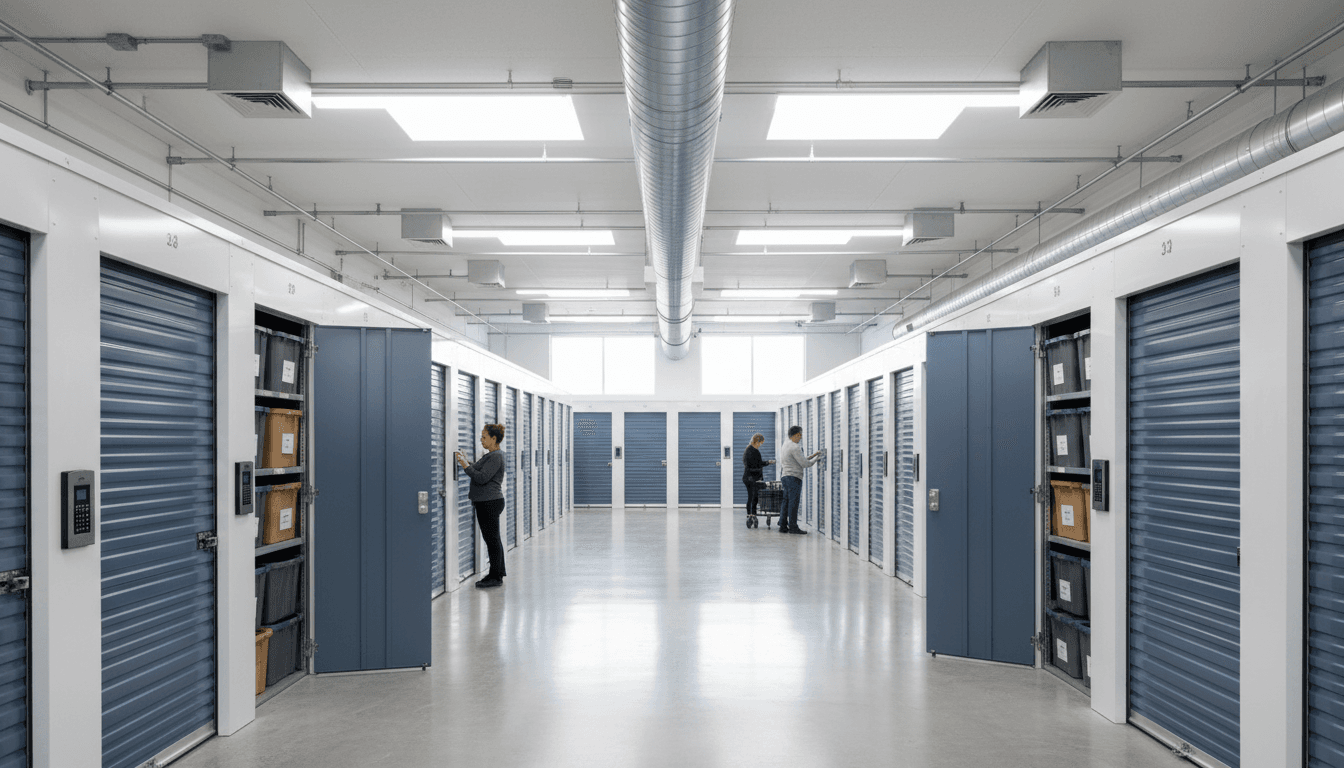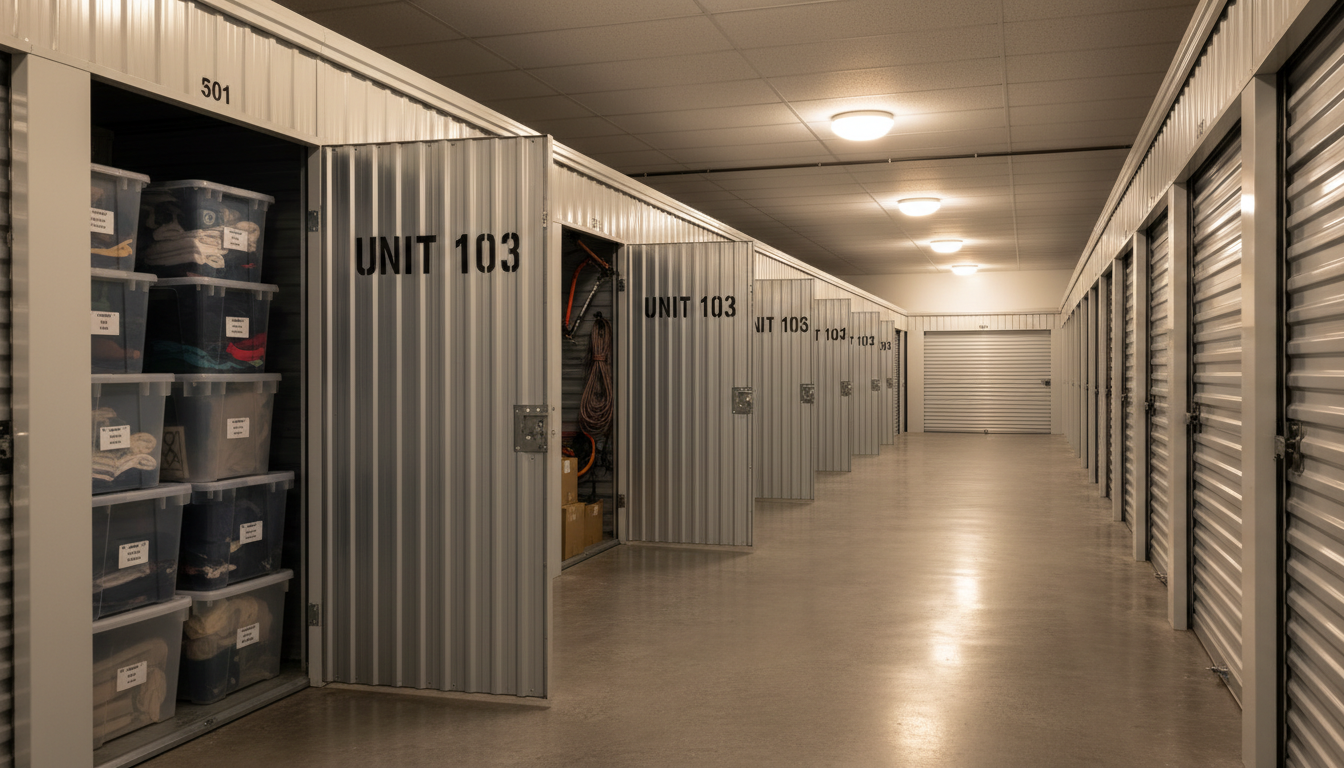
Protecting business assets in self storage requires choosing a facility with robust security features such as gated access, video surveillance, and individual unit alarms. Business owners should also utilize climate controlled units to prevent environmental damage, use high quality disc locks, and maintain comprehensive insurance coverage for all stored inventory and equipment.
Managing business inventory often feels like a balancing act between operational efficiency and skyrocketing overhead costs. When your tools, equipment, or stock begin to crowd your primary workspace, the risk of damage or loss increases significantly. Choosing a storage solution is not just about finding extra square footage; it is about safeguarding the physical capital that drives your revenue. This guide explores the essential strategies for protecting your commercial assets in a self storage environment. We will examine how to mitigate the specific challenges of the Utah climate, identify the security features that matter most for business owners, and implement organizational systems that maintain accessibility. From selecting the right locks to comparing the financial advantages of storage units over traditional warehouse leases, you will learn how to turn a storage unit into a secure extension of your business operations.
Why Fillmore Small Businesses are Moving to Self Storage
Fillmore, Utah, is home to a resilient and growing network of small businesses, ranging from independent retailers to specialized tradespeople. As these enterprises scale, they often encounter a common obstacle: the physical limitations of their current office or storefront. In Millard County, the cost of commercial real estate can be prohibitive, especially when a business only needs extra room for seasonal stock or specialized equipment rather than a full administrative expansion.
Choosing secure business storage services allows local owners to bypass the rigid, expensive terms of warehouse leases. Instead of committing to a multi-year contract for space they might not fully utilize, businesses can opt for flexible units that scale with their specific needs. Successfully protecting business assets in self storage begins with selecting a partner that recognizes the unique demands of the Fillmore economy and the specific climate challenges of our region.
At Millard Storage, we function as a strategic extension for both residential and commercial clients. Our clean, organized facilities are designed to handle everything from inventory overflow to heavy machinery. To learn more about Millard Storage in Fillmore, consider how our local expertise can help eliminate your space bottlenecks. If you are ready to reclaim your workspace and organize your operations more efficiently, contact our team to discuss current availability and unit sizes.
Assessing Your Business Storage Needs: Inventory, Tools, and Equipment
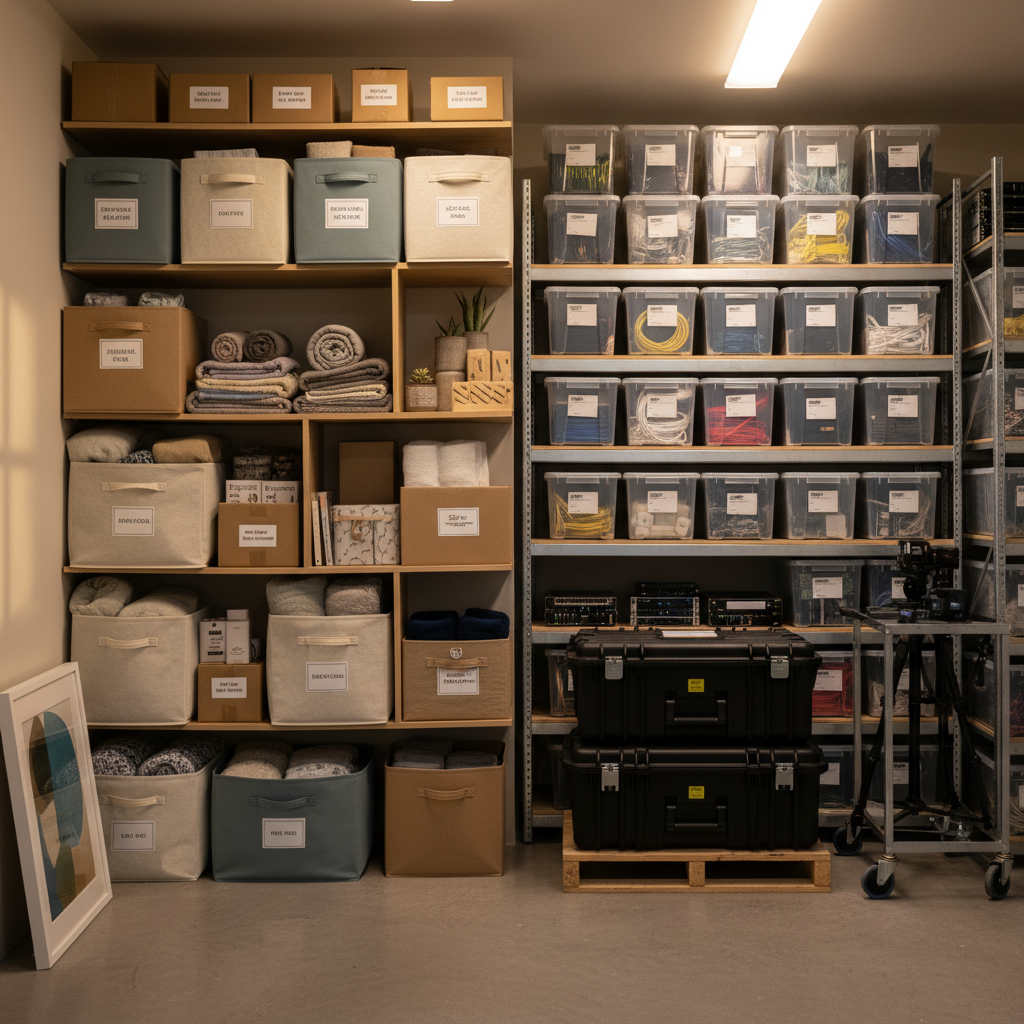
Strategic planning begins with a thorough audit of your current assets to determine the precise volume of space required. Small businesses in Fillmore often struggle with inventory overflow during peak seasons, such as retailers preparing for holiday sales or agricultural suppliers stocking for spring. Categorizing your items by their physical requirements and access frequency is the first step in optimizing your overhead.
For local contractors, self-storage serves as a secure depot for heavy equipment, ladders, and generators that otherwise crowd home garages or work trucks. The Utah climate introduces specific risks for these tools; the shift between dry heat and freezing winters can lead to metal fatigue or rust if items are not properly prepped. Clean all machinery and apply a light coat of protective oil to metal surfaces to ensure they remain functional. This proactive approach is a foundational part of protecting business assets in self storage.
To accurately assess the unit size you need, consider the following categories:
Business Sector | Common Assets | Primary Storage Use Case |
|---|---|---|
Retail & E-commerce | Seasonal stock, marketing displays | Inventory overflow |
Trades & Contracting | Scaffolding, power tools, specialized machinery | Equipment staging |
Professional Services | Archival documents, backup hardware, extra furniture | Seasonal business storage |
Before committing to a unit, visualize your inventory stacked vertically rather than just spread across the floor. Choosing the right secure business storage services involves understanding how to leverage the height of a unit to maximize your investment. If you have questions about specific equipment dimensions, you can contact our team for expert advice on unit selection.
The Climate Factor: Protecting Sensitive Assets from Utah Weather
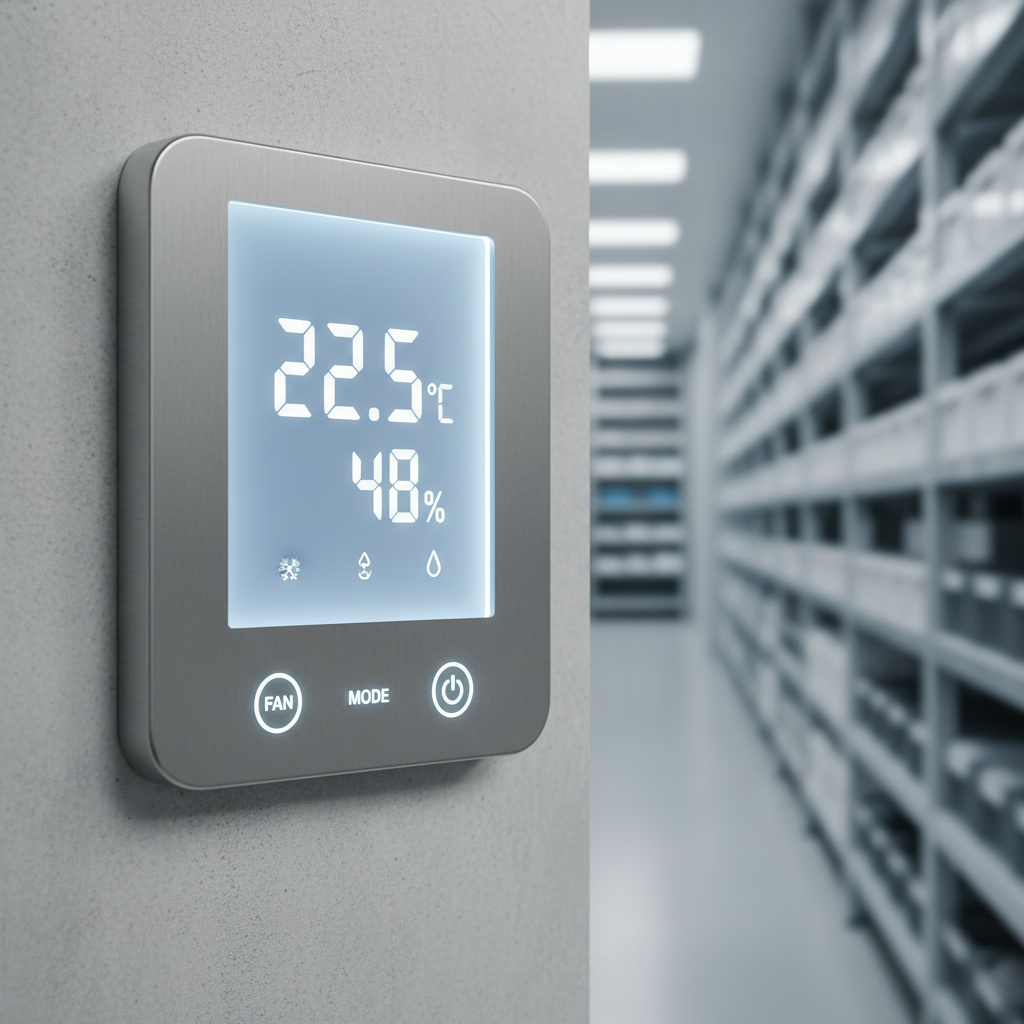
In Fillmore, the high desert environment presents a specific challenge for protecting business assets in self storage. The local temperature can swing from sub-zero winter nights to triple-digit summer afternoons, causing materials to expand and contract rapidly. For wood furniture, this cycle leads to warping, splitting, and joint failure. For electronics, extreme heat can degrade internal batteries and circuit boards; meanwhile, freezing temperatures can cause moisture to condense on sensitive components once the weather warms, potentially leading to short circuits.
Choosing between standard and climate-controlled units depends entirely on the material composition of your inventory. Standard units provide a clean, dry environment ideal for items built to withstand the elements. However, items sensitive to thermal stress require the steady environment of climate-controlled units, which maintain a consistent temperature range to prevent atmospheric damage. This distinction is a core part of the secure business storage services we provide to the local community.
Requires Climate Control | Suitable for Standard Units |
|---|---|
Pharmaceuticals and medical supplies | Construction scaffolding and ladders |
High-end retail apparel and leather | Metal hand tools and power equipment |
Archival paper documents and records | Industrial plastic bins and pallets |
Servers and delicate computer hardware | Specialized metal machinery (oiled) |
Finished wood office furniture | Stone or masonry supplies |
Understanding these environmental impacts is central to how we manage about Millard Storage in Fillmore. We ensure that local professionals have access to the right specifications for their specific industry. To ensure your items remain in peak condition, evaluate your assets based on their sensitivity to extreme Utah weather cycles before selecting a unit size.
Top Security Features to Look for in Commercial Storage
While environmental protection preserves the physical integrity of your equipment, facility-level security is what provides peace of mind for your bottom line. Business owners storing high-value inventory or specialized machinery should view security as a multi-layered system rather than a single lock. When evaluating secure business storage services, the primary focus must be on perimeter control and constant monitoring.
A professional facility prioritizes gated access where each tenant utilizes an individual code. This system ensures that only authorized personnel enter the premises and creates a digital log of all entry and exit times. In contrast, home garages or shared warehouse bays often lack this degree of oversight, leaving assets vulnerable to unmonitored access. This accountability is a cornerstone of protecting business assets in self storage.
Non-negotiable features for commercial users include 24/7 video surveillance and high-visibility lighting throughout the property. Constant monitoring acts as both a deterrent and a recording tool, while bright lighting eliminates shadowed areas that could hide unauthorized activity. These institutional-grade measures offer a significantly higher level of protection than a standard residential setup or a low-traffic industrial park. To understand how we maintain these standards locally, you can learn more about Millard Storage in Fillmore and our commitment to facility safety.
Strategic Organization for Maximum Security and Accessibility
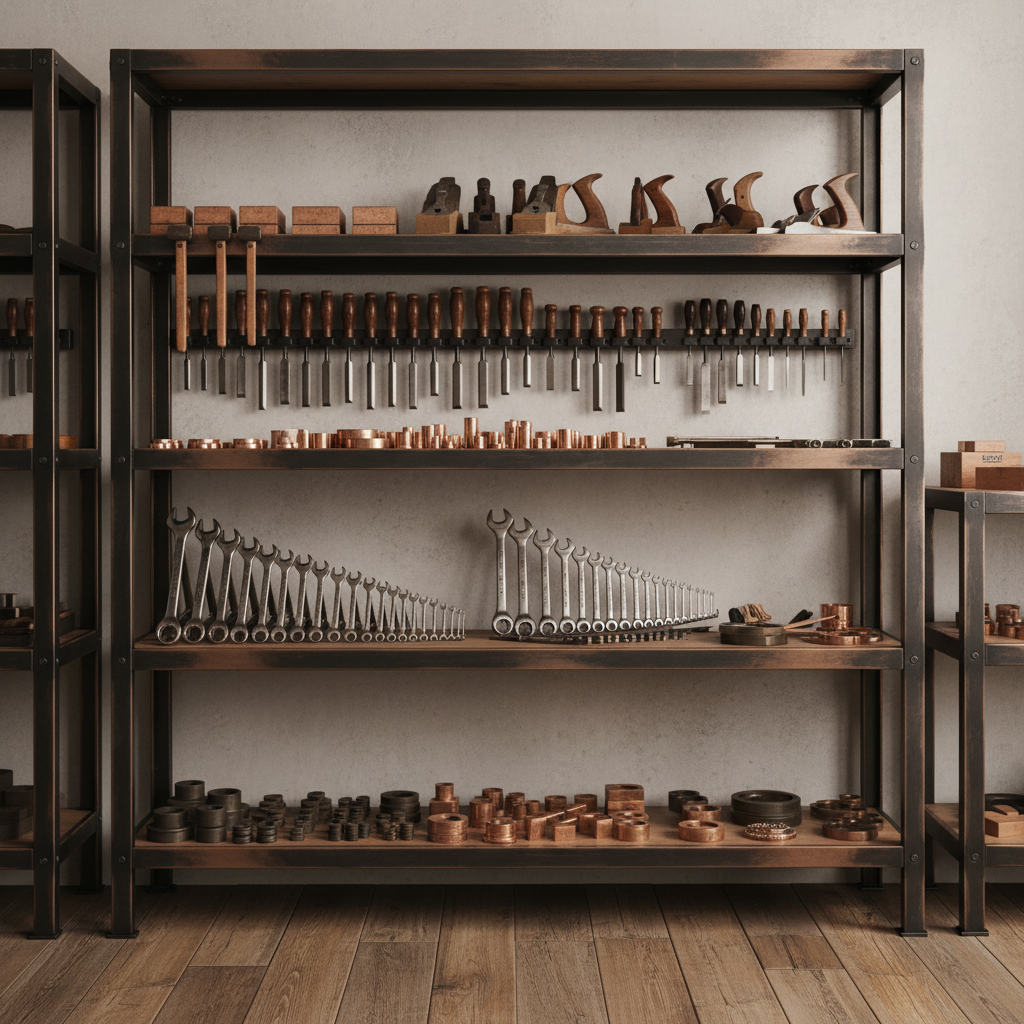
Once the perimeter is secured, internal organization becomes the next layer of protecting business assets in self storage. A well-ordered unit prevents physical damage and deters theft by keeping high-value items out of immediate sight. Start by installing heavy-duty metal shelving units. These allow you to utilize vertical space while keeping inventory and equipment off the concrete floor, which protects against potential moisture wicking or dust accumulation.
Design your layout with a clear center aisle. This configuration ensures that every item is accessible without moving stacks of boxes, reducing the risk of accidental drops or injuries during retrieval. For an added layer of security, place your most expensive assets, such as specialized power tools or high-end electronics, at the very back of the unit behind larger, less liquid items like furniture or bulk supplies.
Organization Element | Strategic Purpose |
|---|---|
Metal Shelving | Vertical efficiency and moisture protection |
Center Aisle | Rapid retrieval and safety |
Rear-loading High-Value Items | Visual deterrent against opportunistic theft |
Standardized Labeling | Simplified audits and inventory tracking |
Use clear, standardized labels on all containers. Consistent labeling allows for efficient inventory audits and ensures that employees can find exactly what they need quickly. If you need advice on how to configure your space for secure business storage services, our team can provide dimensions and layout recommendations. For further assistance with your storage strategy, contact our team to discuss your specific business requirements.
The Best Locks and Personal Security Protocols

Internal unit security relies heavily on the quality of the lock chosen. For professionals, the standard choice should always be a high-quality disc lock. Unlike traditional padlocks that expose a long U-shaped shackle, disc locks feature a circular design with a shrouded shackle. This geometry makes it nearly impossible for bolt cutters to gain the necessary leverage or grip to shear the metal. By minimizing the exposed area of the shackle, you create a formidable physical barrier for protecting business assets in self storage.
Hardware is only effective when paired with strict internal protocols. Limit the distribution of gate codes and unit keys to a small number of essential personnel. If an employee changes roles or leaves the company, update your access permissions immediately. We also recommend maintaining a digital log or simple spreadsheet to track which team members visited the facility and the duration of their stay. Implementing these habits, alongside the secure business storage services provided, ensures a high level of accountability for your commercial inventory. For more information on facility access, you can learn more about Millard Storage in Fillmore or contact our team to discuss security best practices.
Insurance and Inventory Tracking for Small Businesses
Physical locks are only one part of risk management. A comprehensive strategy for protecting business assets in self storage must include robust documentation and adequate insurance coverage. To address the common question of how to insure things in a storage unit, start by reviewing your existing commercial policy. Many business owners mistakenly assume their standard property insurance automatically covers the full value of items stored off-site. In reality, these policies often carry specific sub-limits for property off-premises, which may only cover a fraction of the asset's total value or exclude certain types of inventory altogether.
Accurate record-keeping is the backbone of any potential insurance claim. Before moving items into your unit, take high-resolution, time-stamped photos of each piece of equipment, box, or pallet of stock. Maintain a centralized digital inventory, such as a cloud-based spreadsheet, that includes the following data points:
Inventory Detail | Importance for Risk Management |
|---|---|
Serial Numbers | Vital for identifying specific recovered electronics or tools |
Purchase Value | Establishes the baseline for replacement cost claims |
Date of Entry | Tracks the duration of storage for accounting and tax purposes |
Condition Reports | Provides proof of the item's state prior to storage |
This level of detail simplifies internal audits and provides the necessary proof of loss for claims processing. By combining our secure business storage services with precise internal records, you create a professional fail-safe for your company's physical capital. For more information on facility access and policies, you can learn more about Millard Storage in Fillmore or contact our team for guidance on setting up your commercial space.
Financial Advantages: Storage Costs vs Warehouse Leasing
Transitioning from risk management to budget management reveals significant cost savings. Traditional commercial warehouse leases in Millard County often demand multi-year commitments, substantial security deposits, and separate utility payments for electricity and climate control. In contrast, secure business storage services generally cost between $0.75 and $2.00 per square foot without the burden of long-term overhead or complex triple-net lease structures.
Feature | Self-Storage Unit | Commercial Warehouse Lease |
|---|---|---|
Typical Cost per Sq. Ft. | $0.75 – $2.00 | Variable + CAM/NNN fees |
Commitment Term | Monthly / Flexible | 3–5 Year Minimum |
Utilities | Included | Tenant Responsibility |
Scaling | Rapidly adjustable | Difficult to modify |
Business owners frequently ask if they can write off storage as a business expense. The answer is a definitive yes. Because these units are used exclusively for inventory, equipment, or archives, the rental fee is a legitimate operational cost. While you should consult a tax professional regarding your specific filing, this deduction makes protecting business assets in self storage even more cost-effective. By choosing the flexible short-term and long-term options at Millard Storage, you maintain a lean balance sheet. To learn more about Millard Storage in Fillmore or to compare current sizes, contact our team for updated rates.
Finding the right storage strategy is essential for protecting your inventory and equipment. By prioritizing security, organization, and climate control, you can ensure your business assets remain in peak condition. While managing these logistics independently is possible, it often helps to have a knowledgeable partner on your side. If you want expert help tailored to your specific commercial needs, you can learn more about our team and how we support local entrepreneurs. We are here to help you scale efficiently.