Determining what size storage unit do I need involves matching your inventory to specific dimensions, such as a 5'x5' for small closets or a 10'x20' for a three bedroom house. Monthly costs typically range from $91 for small units to over $850 for large spaces, while climate controlled units are recommended for protecting sensitive items like wood furniture and electronics.
Selecting the wrong storage unit often leads to two frustrating outcomes: overpaying for unused square footage or realizing, mid-move, that your furniture simply will not fit. This logistical bottleneck can turn an organized transition into a costly headache. At Millard Storage, we understand that spatial efficiency is essential for protecting your investments and maintaining your budget. This guide provides a professional breakdown of standard industry dimensions, ranging from compact 5x5 units to expansive 10x30 spaces designed for entire households. We will explore how to calculate your specific volume requirements, analyze the monthly costs associated with different tiers, and determine whether climate control is a necessary addition for your inventory. By the end of this article, you will have a clear, actionable plan to secure the exact footprint your transition requires.
Finding the Perfect Fit: Why Storage Unit Sizing Matters
Choosing a storage unit often feels like a high-stakes guessing game. Selecting a space that is too small leads to immediate frustration, as you end up cramming items to the ceiling, which risks property damage and makes retrieval nearly impossible. On the other hand, paying for a unit that remains half-empty is a needless drain on your monthly budget. Millard Storage helps Fillmore residents and businesses find the "Goldilocks" zone where every square foot is utilized effectively.
Determining what size storage unit do I need is critical for both financial planning and the physical safety of your belongings. Overcrowded units can lead to crushed boxes or scratched surfaces; meanwhile, the right fit allows for proper organization and air circulation. We offer a comprehensive range of flexible storage options starting at 5x5 for small personal items and scaling up to 10x30 for large homes or commercial inventory. Finding the right balance ensures your items stay secure while keeping your costs predictable. If you have questions about specific inventory, you can contact Millard Storage for expert guidance.
Small Storage Units: The 5x5 and 5x10 Breakdown
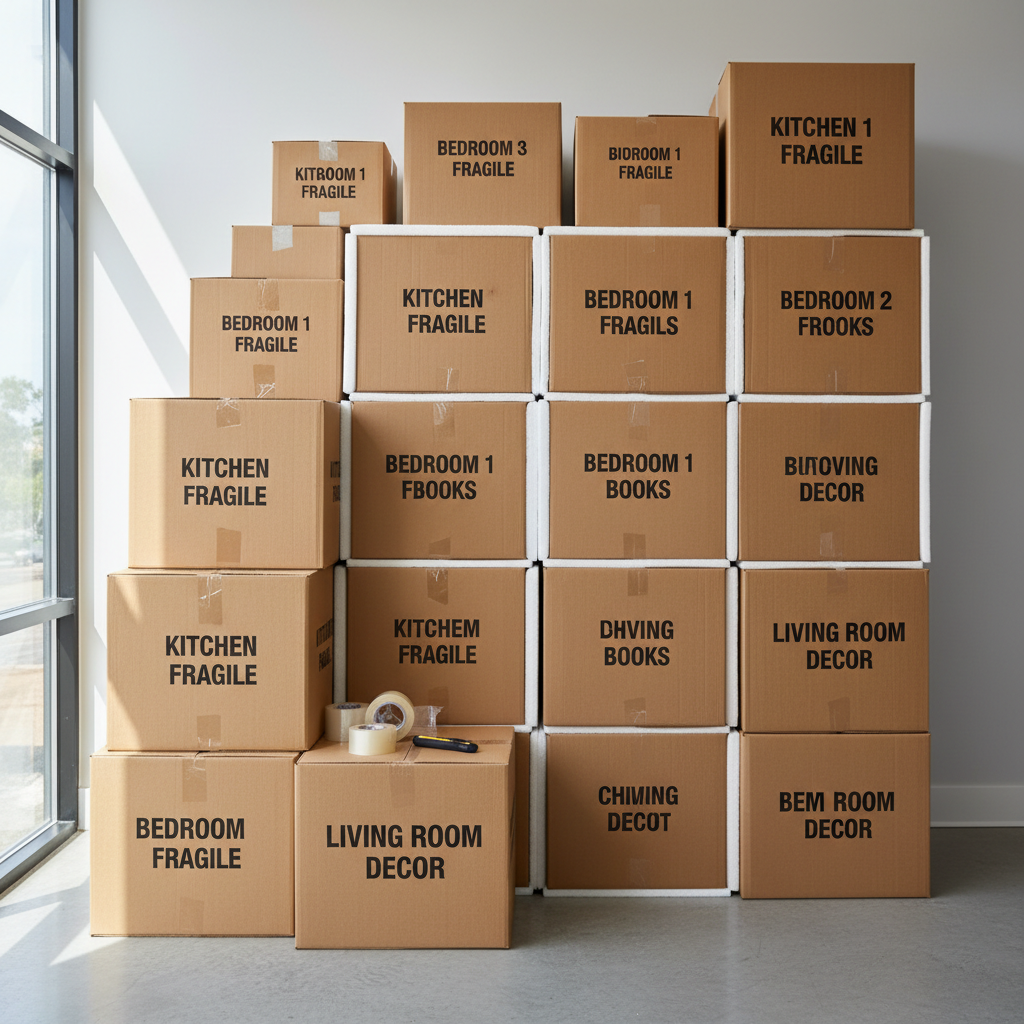
Small units provide a targeted solution for residents who need to reclaim space without paying for unused square footage. A 5x5 unit offers 25 square feet of space, effectively functioning as a large hall closet. This is an ideal choice for stowing away off-season clothing, winter sports gear like skis or snowboards, and approximately five to eight large moving boxes. If you are assessing what size storage unit do I need for a collection of camping gear or small miscellaneous items, this footprint is often the most cost-effective choice.
The 5x10 unit doubles that capacity to 50 square feet, which is comparable to a standard walk-in closet. This size can accommodate the furnishings of a small room, such as a studio apartment or a dedicated home office. It typically fits a mattress set, a desk, a few chairs, and several boxes. Millard County residents often utilize these flexible storage options to declutter a single room during a renovation or to house elaborate holiday decorations that otherwise overwhelm a garage. For local professionals, these units also provide excellent storage tips for business owners who need a secure spot for extra inventory or files without committing to a massive warehouse.
Unit Size | Total Square Footage | Visual Comparison | Common Inventory |
|---|---|---|---|
5x5 | 25 sq. ft. | Large Hall Closet | Luggage, sports gear, 8 boxes |
5x10 | 50 sq. ft. | Walk-in Closet | Studio furniture, home office, mattresses |
If you have specific items like a bicycle or a queen-sized bed frame, you can contact Millard Storage to verify how these pieces will fit within these dimensions. Understanding these smaller footprints is the first step in avoiding overpayment while still ensuring your belongings are not damaged by overcrowding.
Medium Storage Units: The 10x10 and 10x15 Sweet Spot
Moving beyond small lockers and walk-in closet sizes, medium units offer the necessary volume to manage entire household transitions. The 10x10 unit provides 100 square feet of floor space and is widely considered the most versatile option in the industry. It is the go-to choice for residents moving out of a one or two bedroom apartment. Beyond standard boxes and furniture, this size comfortably accommodates major appliances such as a refrigerator, a washer, and a dryer. If you are asking yourself what size storage unit do I need for a typical apartment move, the 10x10 is almost always the starting point because it balances cost with significant capacity.
Stepping up to the 10x15 unit adds another 50 square feet, bringing the total to 150. This extra room is crucial for families in Fillmore living in two to three bedroom houses. It provides the depth needed for larger furniture sets, like dining room tables and sectional couches, while leaving space for an aisle to access items in the back. These flexible storage options are particularly useful during home renovations, where you might need to clear out multiple rooms to make way for contractors or flooring installers.
Unit Size | Total Square Footage | Visual Comparison | Ideal For |
|---|---|---|---|
10x10 | 100 sq. ft. | Half of a standard garage | 1-2 bedroom apartment, major appliances |
10x15 | 150 sq. ft. | Large bedroom or small garage | 2-3 bedroom house, major renovations |
Families undergoing a local move or life transition often find these medium units provide the best value. They offer enough height and width to store bulky items safely without the cramped conditions of smaller spaces. For local entrepreneurs, these units can also serve as a staging area; you can find relevant advice in our storage tips for business owners regarding how to inventory equipment in this mid-sized footprint. To secure a unit during peak moving seasons, we recommend you contact Millard Storage to check current availability.
Large Storage Units: 10x20 and 10x30 for Houses and Businesses
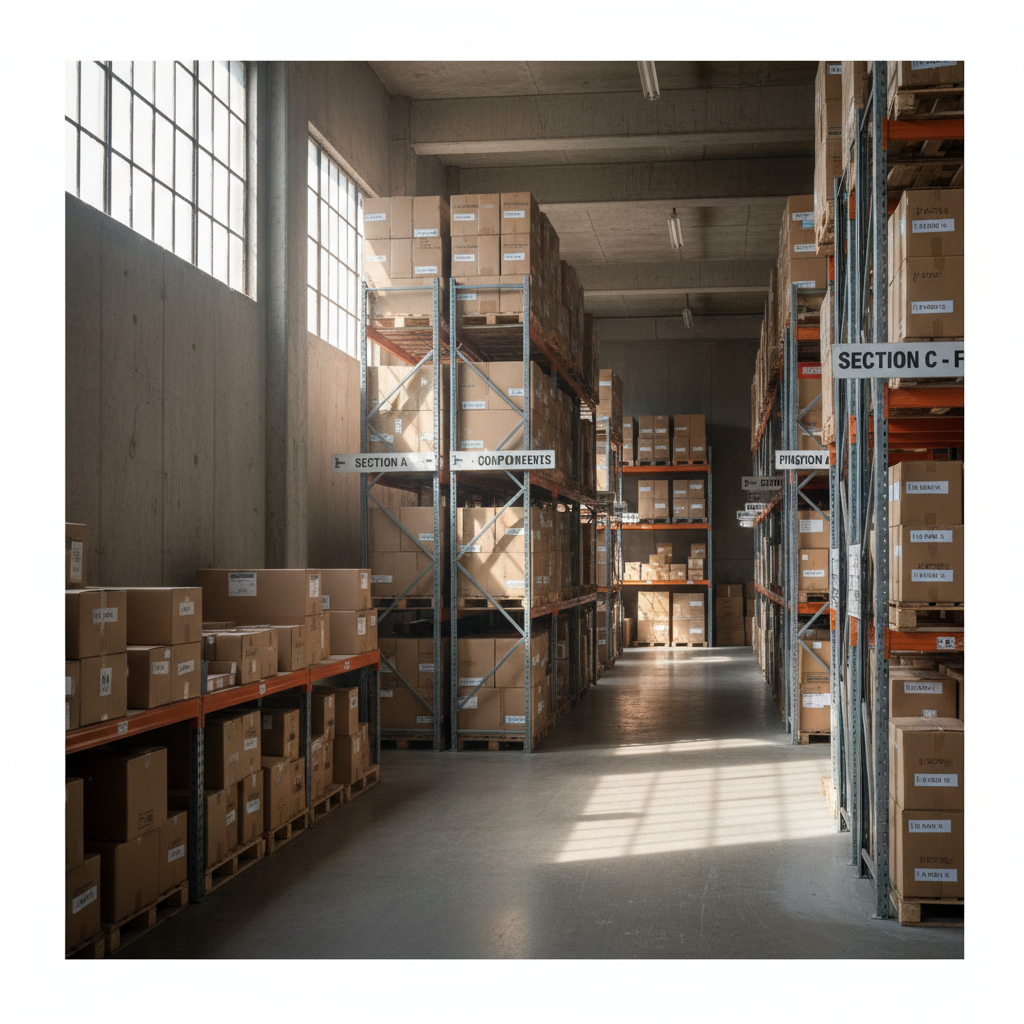
Large units serve as the powerhouse for significant life changes and professional logistics. When you are managing the entire contents of a 3 to 4 bedroom home, a 10x20 unit is the industry standard. Providing 200 square feet of space, this size is roughly equivalent to a standard one-car garage. It easily accommodates large furniture sets, multiple mattresses, and heavy appliances. Beyond household goods, 10x20 drive-up units are a primary choice for vehicle storage. If you are wondering what size storage unit do I need to shield a car, truck, or SUV from the Utah elements, this footprint provides enough room for the vehicle plus additional space for tires or tools.
For the largest residential properties or growing commercial enterprises, the 10x30 unit offers 300 square feet of flexible storage options. This is the largest standard size available, designed for 4 to 5 bedroom homes with extensive basements or garages. It is also an essential asset for local Fillmore businesses. Construction firms often use these units for staging heavy equipment and materials, while retail operations utilize the space for seasonal inventory overflow. The depth of a 10x30 unit allows for long-term document archiving or organized warehouse-style storage that remains easily accessible.
Unit Size | Total Square Footage | Visual Comparison | Common Inventory |
|---|---|---|---|
10x20 | 200 sq. ft. | Standard 1-car garage | 3-4 bedroom house, full-size car/truck |
10x30 | 300 sq. ft. | Extra-long garage | 4-5 bedroom house, commercial inventory, equipment |
Local entrepreneurs looking to scale their operations should review our storage tips for business owners to maximize efficiency in these larger footprints. Because these units are in high demand for both residential moves and commercial logistics, we recommend you contact Millard Storage to confirm current availability and discuss your specific spatial requirements.
Calculating Your Space: What Size Storage Unit Do I Need for a House?
Determining the exact footprint for a residential move requires looking beyond just square footage. When clients ask, "what size storage unit do I need for my home," the most reliable metric is often the bedroom count. For a typical one bedroom apartment with standard furnishings, a 10x10 unit provides sufficient volume. If you are moving a two to three bedroom house, the 10x15 unit is the professional recommendation, as it offers the extra depth needed for multiple beds and dining sets. Large family homes with four or more bedrooms generally require at least a 10x20 unit, though homes with heavy basement or garage inventory often benefit from a 10x30.
Residence Size | Suggested Unit Size | Key Footprint Items |
|---|---|---|
1 Bedroom | 10x10 | Queen bed, dresser, sofa, 15 boxes |
2-3 Bedrooms | 10x15 | 2-3 beds, dining set, washer/dryer, 30 boxes |
4+ Bedrooms | 10x20 or 10x30 | Multiple king beds, sectional, refrigerator, 50+ boxes |
To optimize your space, remember that Millard Storage units typically offer eight to ten feet of vertical clearance. You are renting cubic feet, not just floor space; stack sturdy, heavy items like crates and appliances at the bottom to utilize the height. Start by listing your largest items first, such as couches, beds, and refrigerators, to visualize the base layer. For those seeking flexible storage options tailored to a specific inventory list, you can contact Millard Storage to walk through a personalized space calculation or request a list of packing materials to help you stack effectively.
Budgeting for Storage: How Much Does a Storage Unit Cost Per Month?

Understanding the financial commitment is as important as knowing what size storage unit do I need for your belongings. Monthly costs are determined by three primary factors: total square footage, facility location, and specific unit features. Larger units naturally command higher prices, but they often offer a better value per square foot compared to smaller lockers. For a facility like ours in Fillmore, market data shows that small to medium operations typically see monthly revenues between $1,001 and $5,000. This range reflects the competitive, localized pricing that keeps storage accessible for Millard County residents.
To maintain a predictable budget, you should look for flexible storage options that cater to both short-term transitions and long-term needs. Features like drive-up access may carry a different price point than interior units, but they save significant time and physical effort during loading. If you are planning a move or need a permanent spot for business inventory, it is helpful to contact Millard Storage for a direct quote. We focus on providing dependable, clean spaces without hidden fees, allowing you to manage your costs effectively while ensuring your valuables remain secure and readily retrievable. Aligning your budget with your spatial needs ensures you are not overpaying for empty air or risking damage in a space that is too small.
Is Climate Controlled Storage Worth the Extra Cost?
Deciding between a standard unit and a climate-controlled space depends largely on the duration of your storage and the nature of your belongings. Industry experts often apply a three month rule; if you intend to store items for more than 90 days, paying a 20 to 50 percent price premium for climate control is generally a wise investment. This feature maintains a consistent temperature range, which is vital in Fillmore where seasonal temperature swings can be extreme.
Wooden furniture, high-end electronics, and delicate fabrics like silk or wool are particularly susceptible to cracking, warping, or internal component failure in fluctuating environments. For these valuables, a controlled environment is necessary to prevent permanent damage. Conversely, standard units are perfectly suitable for items designed for the outdoors, such as lawn mowers, construction equipment, or heavy-duty plastic containers.
Item Category | Recommended Unit Type | Sensitivity Level |
|---|---|---|
Antiques & Wood | Climate Controlled | High (warping/cracking) |
Electronics | Climate Controlled | High (corrosion/failure) |
Metal Equipment | Standard | Low (durable) |
Outdoor Gear | Standard | Low (weather-resistant) |
When assessing what size storage unit do I need, consider that climate-controlled spaces often benefit from more strategic packing to ensure proper airflow around sensitive materials. For professionals storing sensitive documents or inventory, these flexible storage options offer critical protection against the elements. If you are unsure if your specific inventory requires this level of care, you can contact Millard Storage for expert advice. You can also find more details on inventory protection in our storage tips for business owners.