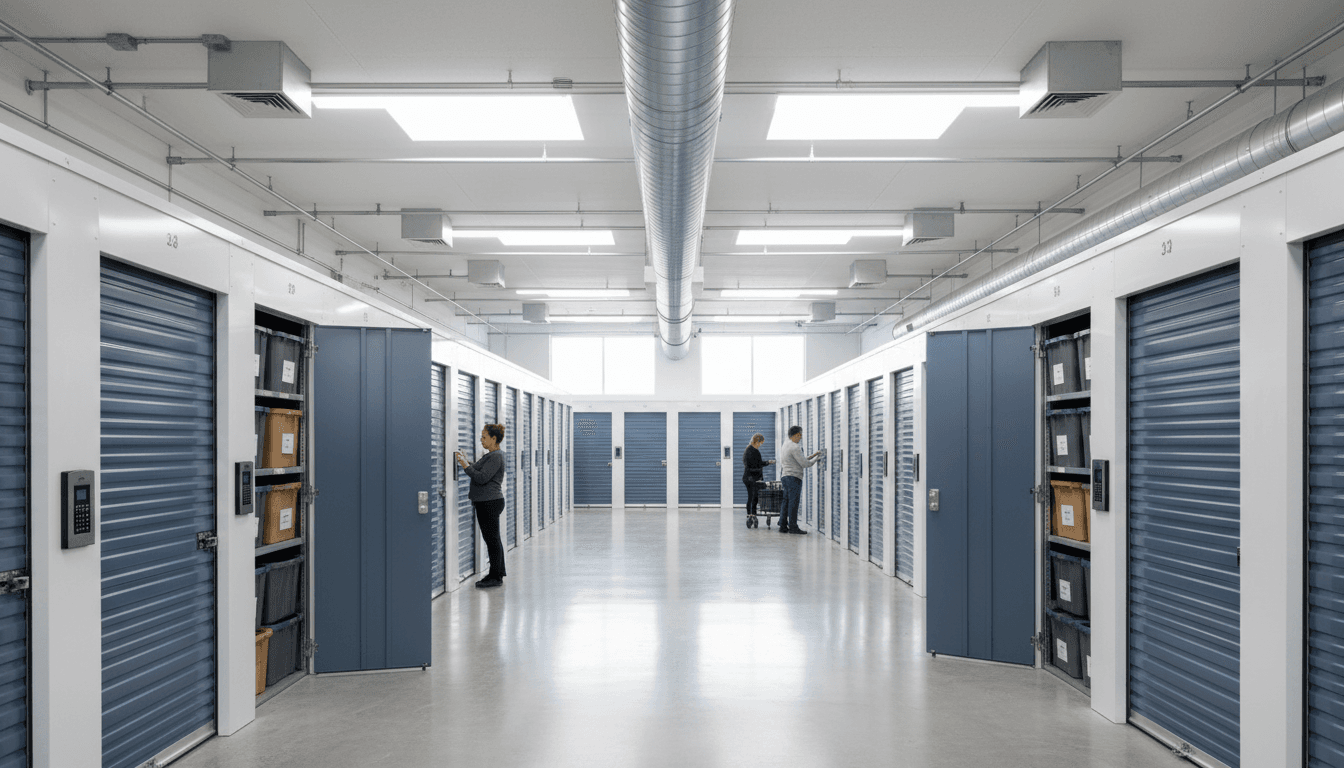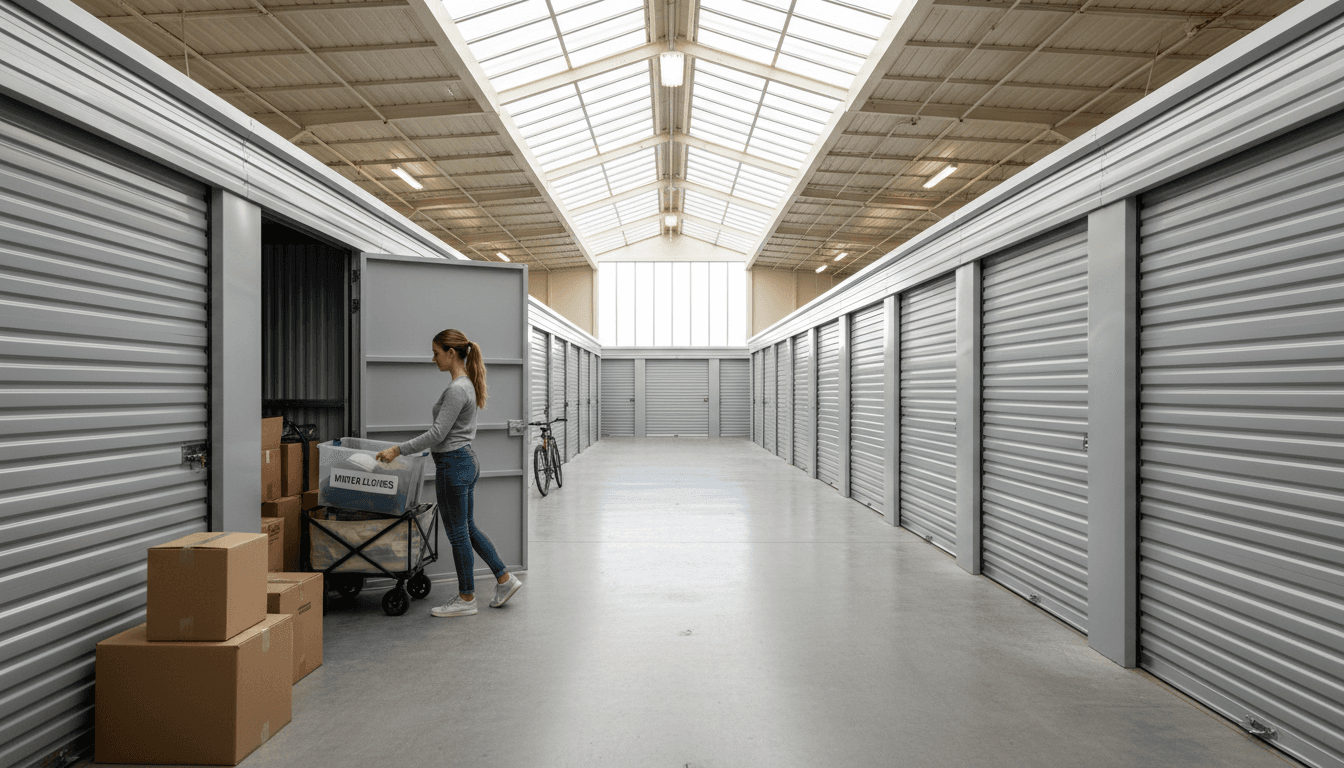
Prepare for long term self storage by thoroughly cleaning and drying every item to prevent mold, rust, and odors while using airtight containers for organization. Protect large furniture by dismantling pieces and applying protective wax or anti-rust solutions to surfaces. Finally, document your inventory and secure the unit with a high quality lock to ensure your belongings remain in pristine condition for six months or more.
Leaving your belongings for six months or longer is a significant transition that carries inherent risks if handled carelessly. Most people assume that closing a unit door is the final step; however, the reality is that time itself is a variable that can degrade fabrics, corrode metals, and invite moisture damage. When your gear remains stationary for half a year or more, the margin for error disappears. A small amount of residual moisture or a slightly dirty surface becomes a breeding ground for long term issues that are often irreversible. This guide provides a professional framework for asset preservation. You will learn how to stabilize furniture, protect sensitive electronics from oxidation, and utilize advanced organization strategies to ensure your items emerge in the same condition as the day they were stored.
The 6 Month Threshold: Why Long Term Self Storage Requires a Different Strategy
Packing for a weekend move is a sprint, but preparing for long term self storage is a marathon. At Millard Storage, we define the long-term threshold at six months. Beyond this point, the environmental factors of Fillmore, Utah, begin to interact with your belongings in ways that a simple two-week transition period does not account for. A tiny pocket of trapped humidity in a plastic bin might be harmless for a few days; over half a year, that same moisture can cultivate mold that ruins an entire inventory.
Effective preservation requires shifting your strategy from mere containment to active protection. To help our residential and business clients maintain the integrity of their items, we utilize a three-part framework: Clean, Protect, and Organize. This method addresses the specific challenges of our local high-desert climate, where dust and temperature fluctuations can impact materials like wood, leather, and electronics. By utilizing flexible short-term and long-term options, you gain the space you need, but your preparation determines the condition of your items upon retrieval. We provide secure, dependable storage services, yet the internal environment of your boxes depends on the bone-dry rule and proper surface treatments. This guide breaks down how to move past basic packing and into true long-term asset management.
Cleaning and Drying: The Foundation of Long Term Preservation
The foundation of preserving your property is the bone dry rule. While many people believe a quick wipe down is sufficient, microscopic moisture trapped in fabrics or crevices is the leading cause of mold and mildew in a sealed unit. Over six months, a single damp spot can colonize an entire container. Every item must be clinically dry before it crosses the threshold of your unit.
For residential clients, begin by thoroughly vacuuming all upholstered furniture. Dust and skin cells are organic materials that, when combined with even trace humidity, provide a food source for fungi. Hard surfaces should be wiped down with a cleaner appropriate for the material, such as a mild detergent for plastics or a specialized wood cleaner. Once cleaned, do not pack these items immediately. Every piece of inventory, equipment, or furniture requires a 24 to 48 hour air-out period in a low-humidity environment to ensure no residual moisture remains in the fibers or joints.
Appliances require even stricter protocols. Refrigerators, freezers, and washing machines often harbor standing water in internal hoses, pumps, or door seals. Even after a thorough defrosting and cleaning, you must leave the doors slightly ajar. This is a non-negotiable step for those utilizing flexible short-term and long-term options because it allows air to circulate, preventing the stale, musty odors that can permanently ruin appliance linings. By adhering to these cleaning standards, you ensure that our secure, dependable storage services serve as a safe vault rather than an incubator for environmental damage.
Preparing Furniture for the Long Haul
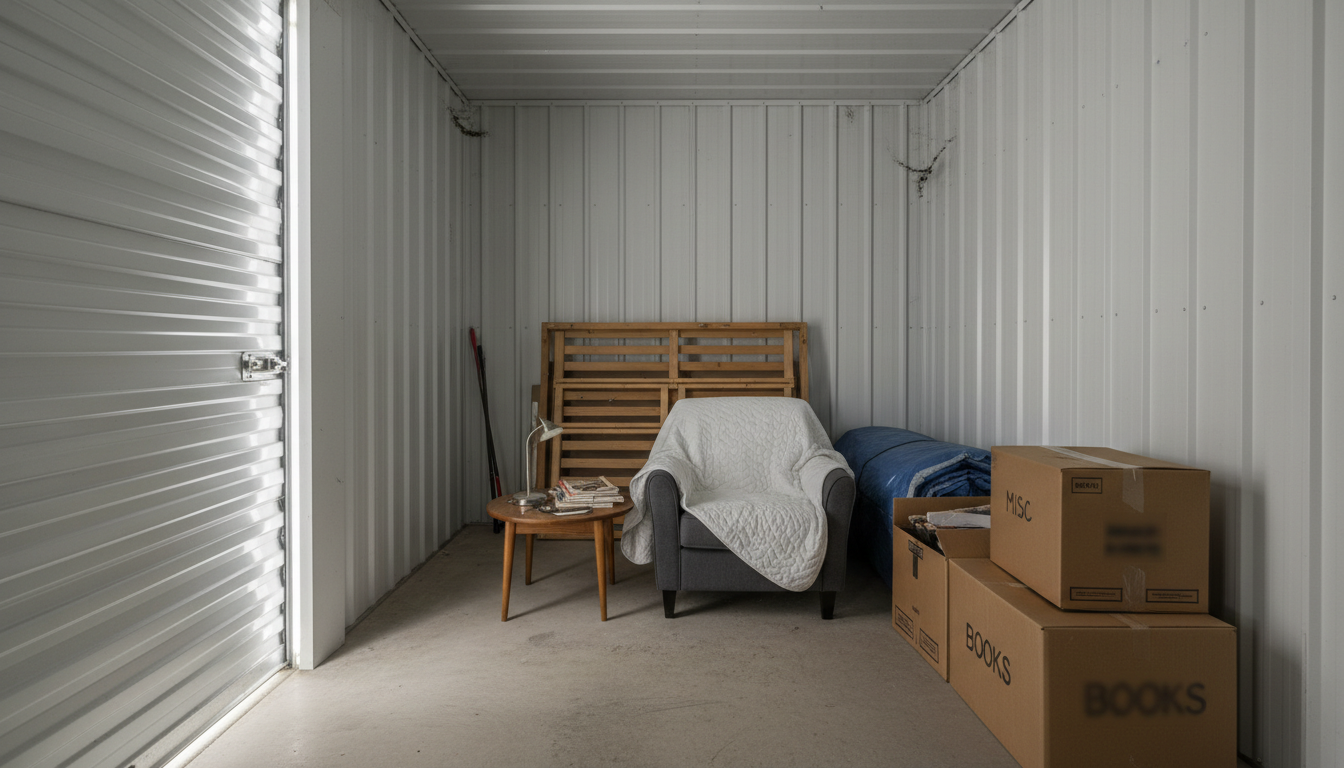
Once everything is clean and dry, you must address the physical structure and material health of your furniture. The best way to store furniture long term involves a shift from basic containment to active preservation. In the Fillmore area, the low humidity can strip essential moisture from wood, leading to brittle joints and surface cracking. Before moving items into your unit, apply a thin coat of high quality furniture wax. This creates a protective barrier that seals in necessary moisture and prevents the wood from reacting to seasonal fluctuations.
Large items such as bed frames, dining tables, and bookshelves should be dismantled whenever possible. Removing legs from tables and breaking down frames not only maximizes your square footage but also prevents long-term stress on the joints. When furniture is left assembled and under the weight of other items, the uneven pressure can cause warping or structural failure over several months. Store all hardware in a labeled, clear bag taped securely to the underside of the piece to ensure a smooth reassembly later.
Protective covering is another area where standard moving practices often fail. Avoid wrapping wood or leather furniture in tight plastic film for the duration of its stay. Plastic traps air and any minute amount of humidity; this can lead to wood rot or the degradation of leather finishes. Instead, use breathable fabric covers, heavy cotton sheets, or professional moving blankets. These materials allow for airflow while protecting surfaces from dust. Our flexible short-term and long-term options accommodate these larger, dismantled pieces easily, providing the space needed for proper air circulation. Ensuring your property is protected in this manner complements our secure, dependable storage services by maintaining the physical integrity of your assets from the inside out.
Electronics and Metal Items: Preventing Rust and Corrosion
Beyond furniture, the technical assets of business and commercial clients require a specialized preservation layer. Electronics and metal machinery are particularly vulnerable to the chemical changes that occur over months of inactivity. For any gadget, from office equipment to power tools, the primary directive is battery removal. Over a six-month period, alkaline batteries can leak corrosive acid; this chemical discharge permanently destroys internal circuitry and terminal contacts. This is a critical step for those utilizing flexible short-term and long-term options for business inventory or seasonal equipment.
When packing electronics, the original packaging provides the best defense because it was engineered to stabilize the specific components. If the original boxes are unavailable, utilize anti-static bubble wrap rather than standard plastic. Standard bubble wrap can generate static discharge in our dry Fillmore air, which may fry sensitive motherboards. For metal tools and heavy equipment, oxygen and trace moisture are the enemies. Apply a light coating of machine oil or a dedicated anti-rust spray to all exposed metal surfaces before storage. This thin barrier prevents oxidation and surface pitting, ensuring that your equipment remains operational upon retrieval. By taking these technical precautions, you complement the secure, dependable storage services we provide, safeguarding high-value assets against the slow degradation of time and environmental exposure.
Clothing and Linens: Beyond the Cardboard Box
While metal and electronics require chemical barriers, clothing and linens demand a balance of breathability and physical protection. For fabrics, the container choice is critical. While cardboard absorbs moisture and attracts pests, airtight plastic bins with gasket seals offer a superior defense. Vacuum-sealed bags are tempting for space saving; however, they can permanently damage natural fibers like wool or down by crushing the internal structure over extended periods. For long term self storage, stick to bins for heirloom quality items to maintain their shape.
Wrap delicate pieces or vintage linens in acid-free tissue paper before boxing them. This prevents the yellowing that occurs when fabrics touch plastic or acidic paper over time. To maintain a neutral environment, avoid mothballs, which leave a pungent, permanent odor that is notoriously difficult to remove. Instead, place cedar blocks to deter insects and silica gel packets to absorb any stray humidity that might have been trapped during the packing process.
If your items remain in storage for more than twelve months, implement a freshness check. This involves opening the bins once a year to inspect for signs of moisture and refolding garments to prevent the permanent setting of creases. Utilizing these specific flexible short-term and long-term options ensures your wardrobe remains in gallery condition. By combining these methods with our secure, dependable storage services, you protect the sentimental and financial value of your textiles against the dry, dusty conditions typical of the Fillmore area.
Maximizing Security with the Right Hardware

Physical preservation is only half the battle; the final layer of protection involves securing the unit itself against external threats. While we provide secure, dependable storage services through facility-wide safety measures, the specific hardware you select for your unit door is your primary line of defense. A common question regarding long term self storage is which lock best prevents theft. Standard padlocks, which many people use by default, are inherently vulnerable because their long shackles are easily targeted by bolt cutters.
We recommend disc locks as the industry standard for high-security storage. The circular design of a disc lock shields the shackle, leaving almost no space for cutting tools to gain leverage. This makes them significantly more difficult to bypass compared to traditional hardware. For business owners storing expensive inventory or residential clients with high-value heirlooms, this small investment in superior hardware is a critical step in a six-month preservation plan.
Beyond the lock, documentation acts as your ultimate insurance policy. A major gap in storage preparation is the lack of a detailed inventory. Create a comprehensive list of every item in your unit, supplemented by high-resolution photos of valuable electronics, equipment, and furniture. If you are utilizing our flexible short-term and long-term options, these records serve as undeniable proof of condition and ownership for insurance purposes. Having a digital paper trail ensures that your assets are protected both physically and financially while they are out of your sight.
Strategic Unit Organization for Multi-Month Access
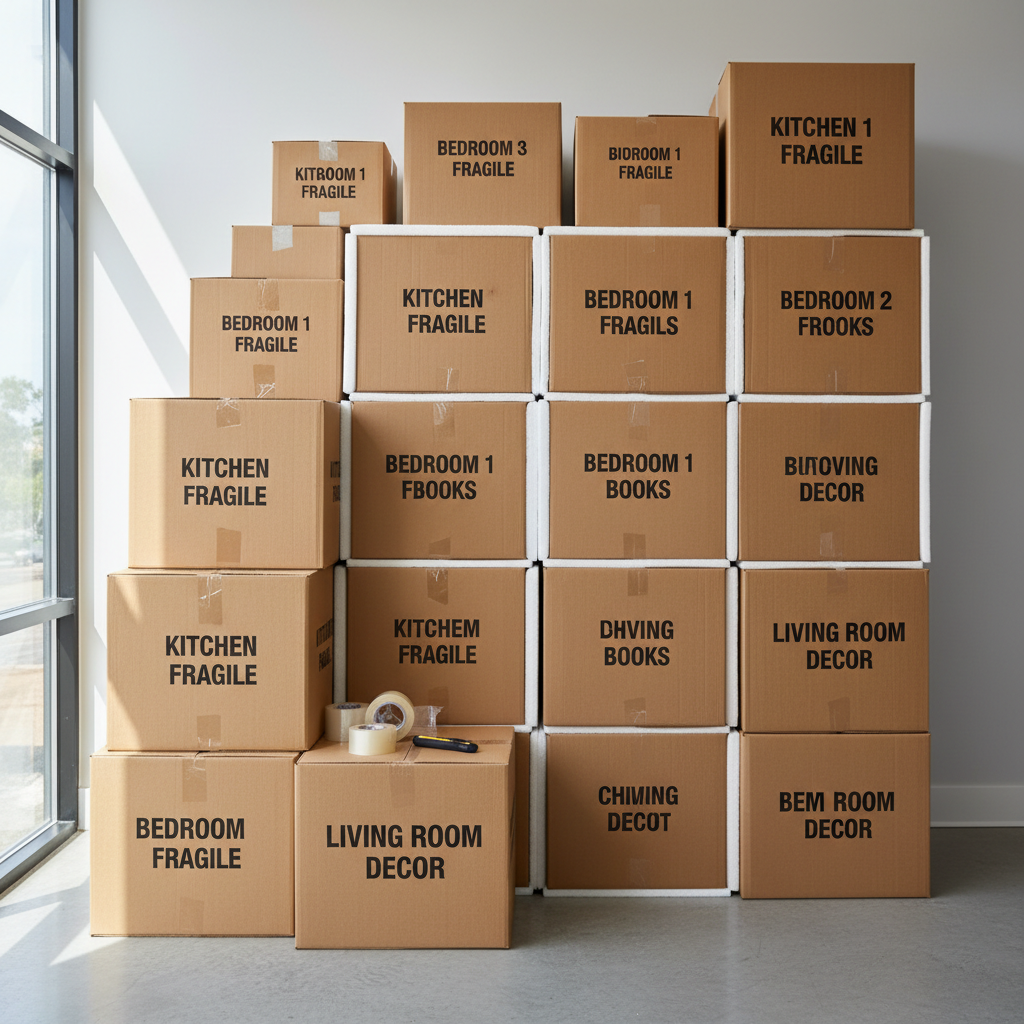
Once your items are inventoried and the lock is secured, the physical layout determines how functional your space remains over time. A core long term self storage unit tip is to avoid placing items directly on the concrete floor. Even in a dry climate, concrete can transfer temperature shifts or trap trace moisture underneath heavy containers. Use wooden pallets or metal shelving to create a gap for consistent airflow. This elevation prevents stagnant air from settling at the base of your stacks, which is vital for preserving fabrics and wood.
Effective organization relies on a center aisle strategy. Rather than packing the unit from back to front in a solid block, leave a narrow walkway down the middle. This path allows you to reach the back wall without moving half your inventory. When arranging boxes, group them by retrieval frequency. Place seasonal gear, such as winter clothing or landscaping tools, near the front of the unit. Deep-storage items, including old business records or large furniture, should be placed at the rear. By utilizing these flexible short-term and long-term options, you turn a storage space into a managed resource. This methodical approach ensures that while we provide secure, dependable storage services, you maintain immediate access to your property throughout its stay.
Taking the time to properly clean, wrap, and organize your items ensures they stay in great shape during an extended stay. While these DIY tips provide a solid foundation, every storage situation is unique. If you want expert help choosing the right unit or supplies for your transition, our team is here to guide you. You can learn more about our commitment to providing a seamless and secure storage experience for every client.